
How To Plan Efficient Storage Solutions For SWFL Luxury Homes
Thoughtful storage planning separates a cluttered luxury home from one that feels calm and effortless. Learn how to design efficient, hidden storage for SWFL homes room by room, tailored to Naples and Collier County lifestyles.
XL Homes Editorial Team
The XL Homes of SWFL editorial team brings you insights on luxury home building, interior design trends, and Southwest Florida living.
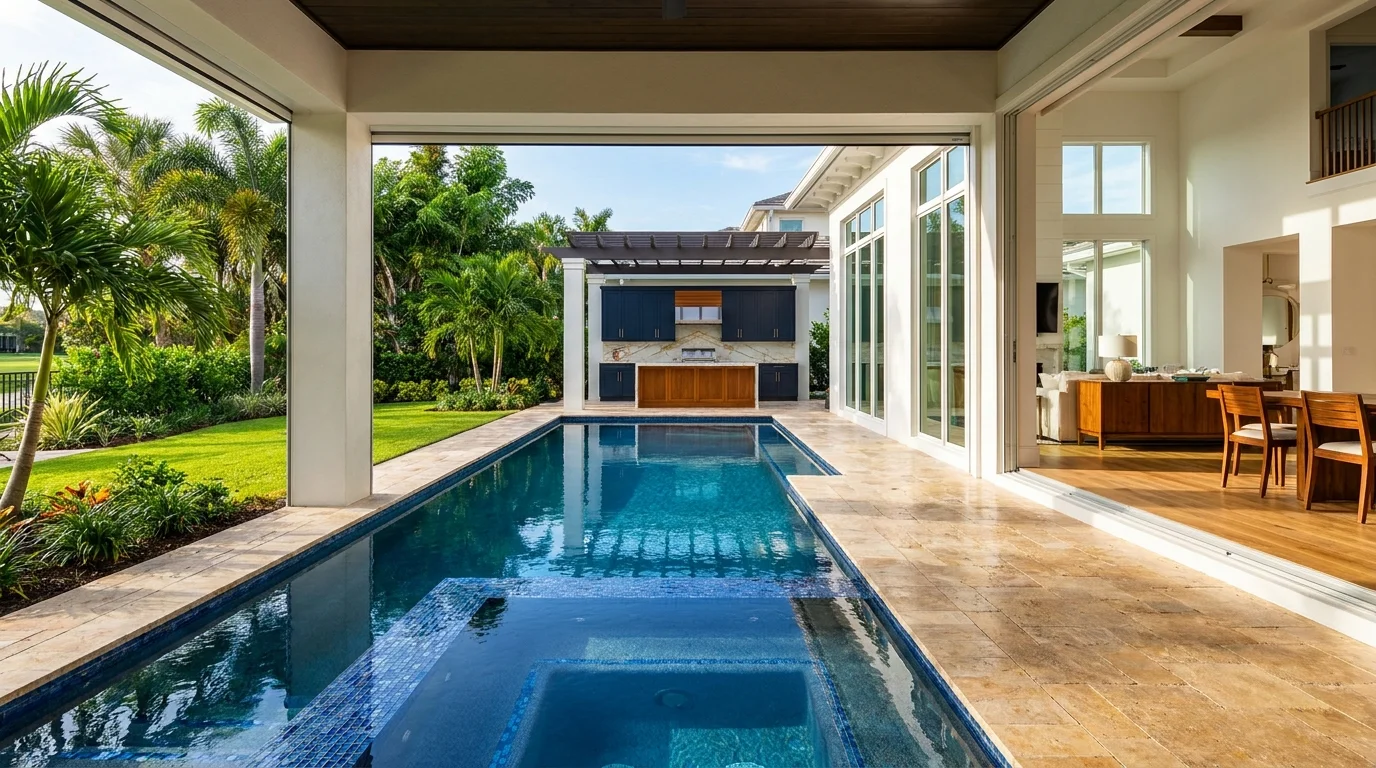
Efficient storage solutions for SWFL luxury homes start with one decision: plan storage at the same time you plan rooms, not after the floor plan is finished. In Naples and across Collier County, the homes that feel truly calm and luxurious are usually the ones where storage is built into the architecture instead of added as furniture later.
This guide walks through practical, room-by-room storage planning that fits Southwest Florida living, from sandy flip-flops at the entry to outdoor gear in the garage. You can use it whether you are building a custom home from scratch or remodeling an existing property.
Begin With A Storage Strategy, Not Just More Closets
More storage is not always better. Smarter storage, placed where you actually use things, keeps a luxury home feeling clean without constant effort.
Before you worry about cabinet sizes or closet systems, start with three simple questions for each space:
- What actually lives in this room most of the time?
- What "homeless" items always end up here and create clutter?
- What do you want to see vs what should stay hidden?
The National Association of Realtors recommends considering what you need to store, how accessible it should be, and whether it needs special conditions such as temperature control. Its guide to best practices for using storage to organize a home, also discusses placement, materials and circulation.
The most luxurious storage is the kind you hardly notice, because it fits how you live so well that clutter never has a chance to pile up.
Plan Storage Around How SWFL Homes Actually Live
Southwest Florida homes have some unique patterns: sand and gear coming in from the beach, frequent guests, outdoor living areas that feel like another room, and seasonal wardrobes. Efficient storage design should respond to those realities.
Think In "Zones" Instead Of Rooms
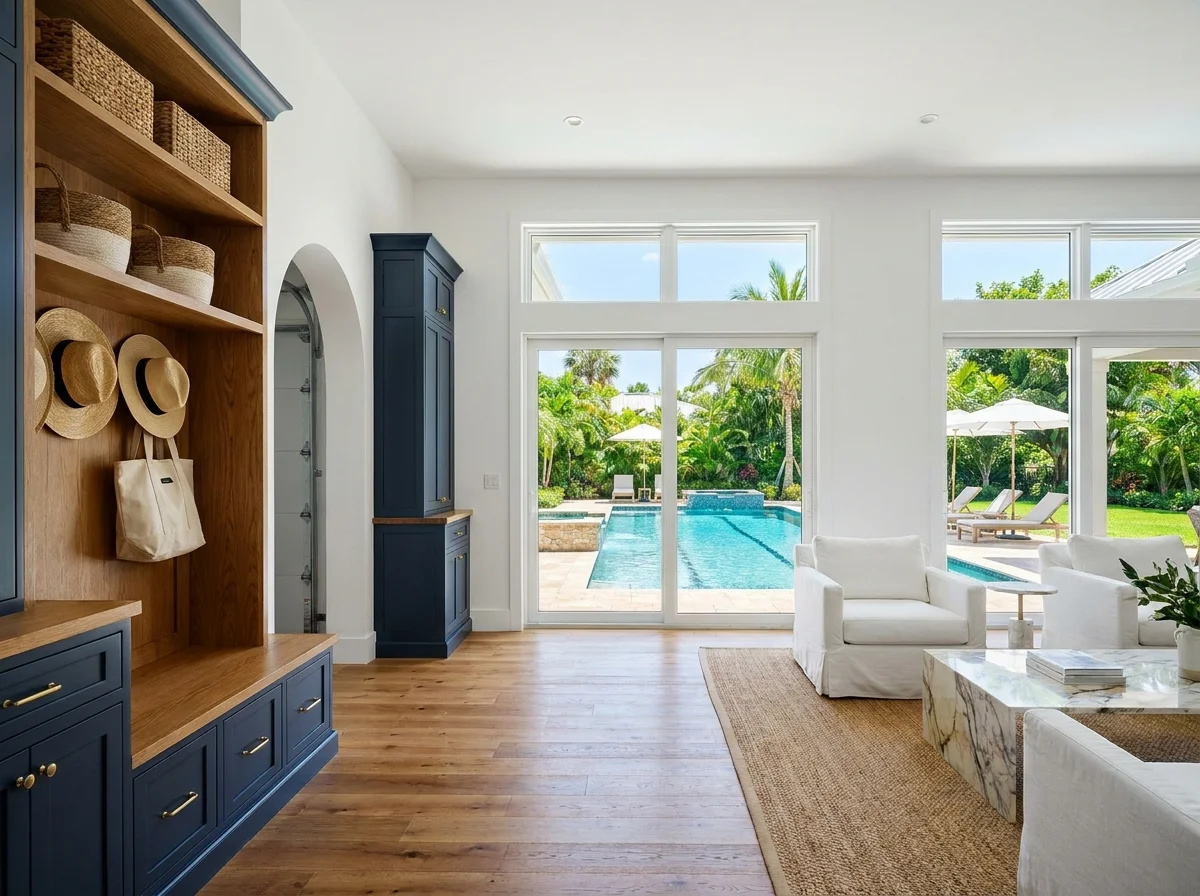
Zone planning helps you place storage where it works hardest. Some useful zones in a Naples or Bonita Springs home might include:
- Arrival zone: garage entry, mudroom, drop zone, pet area
- Entertaining zone: kitchen, bar, dining, great room
- Quiet zone: primary suite, guest suites, office
- Service zone: laundry, pantry, cleaning supplies, mechanical rooms
- Outdoor zone: lanai, pool storage, grilling, beach and golf gear
For each zone, list what needs to be stored, how often you access it, and whether it should be displayed or closed away. This list guides cabinet counts, closet sizes, and where to carve in built-ins.
Arrival And Mudroom Storage: Contain The Daily Clutter
In SWFL luxury homes, the main front entry may be more formal, but the real entry is often through the garage. That path is where storage does the most work. Planning this route carefully helps keep the rest of the home pristine.
Designing A Functional Drop Zone
Consider a built-in "drop zone" between garage and kitchen or laundry, sized for daily items:
- Upper cabinets or cubbies for sunglasses, sunscreen, hats, and reusable shopping bags
- Shallow drawers for keys, pet leashes, and mail
- A charging drawer or shelf for phones and tablets, with outlets inside
- Hooks for light bags and quick-grab jackets or wraps
Pro Tip: Keep the counter in your drop zone no deeper than needed, typically about the depth of a standard cabinet, so it does not become a dumping ground for piles of paper.
Mudroom Solutions For Sand, Gear, And Pets
Even if you do not want a rustic-looking mudroom, you can create a clean, coastal version that hides the chaos. Built-in bench seating with drawers or lift-up tops is ideal for sandals and flip-flops. Tall lockers or cabinets with doors can hold beach bags, pool towels, and golf shoes.
If you have pets, consider:
- A lower cabinet with pull-out bins for food and treats
- A dedicated drawer for leashes, brushes, and waste bags
- Space for a pet bed under a counter or in a niche, so it feels integrated
Kitchen, Pantry, And Entertaining Storage
The kitchen typically needs the most detailed storage planning. In many Naples luxury homes the kitchen opens directly to the great room and lanai, so what you store and how you store it affects how the entire space feels.
Start With How You Cook And Host
Make a realistic list of how you use the kitchen:
- Do you cook nightly or eat out often?
- Do you entertain large groups, intimate dinners, or both?
- Do you prefer small appliances out on counters or hidden away?
- Do you keep a large inventory of pantry items, or shop frequently?
These answers shape decisions about pantry size, appliance garages, and even whether you need a secondary "catering" or prep kitchen. When you consider budgets for cabinetry and storage, you may also find it helpful to read about how much custom kitchen remodeling really costs in Naples, since built-in storage is often a significant part of that investment.
Smart Pantry Planning
A walk-in pantry often becomes the workhorse of a SWFL luxury kitchen. To keep it efficient:
- Use a mix of shallow and deep shelves so smaller items do not get lost
- Add at least one continuous counter for staging platters and small appliances
- Include vertical dividers for trays, boards, and baking sheets
- Plan a hidden spot for countertop appliances you use weekly but do not want displayed
If a full walk-in pantry is not possible, a cabinet pantry with roll-out shelves and interior lighting can still provide excellent function. The key is visibility and easy access so food does not expire unseen at the back.
Kitchen Island And Cabinet Storage Details
In many open-concept homes, the island is both a workspace and a social hub. Storage choices here affect comfort and clutter. For example, keeping pots, pans, and cooking tools on the side facing the cooktop shortens steps. Seating sides might house less-used serving pieces or seasonal items.
If you are in the design phase, be aware that layout choices for cooking and dining also affect where storage can fit. You can avoid common layout issues by reviewing common mistakes in custom kitchen island designs in Naples and planning storage around how people move through the space.
Great Room, Media, And Display Storage
In SWFL, the great room often blends with outdoor living through large sliding doors. Storage here needs to support both everyday relaxation and entertaining, without blocking views or feeling heavy.
Concealed Media Storage
Televisions, speakers, and components can clutter a room if not planned in advance. Consider:
- Low built-ins along one wall for components, board games, and throws
- Cabinet doors or panels that hide speakers and wiring
- A dedicated cabinet for remotes, chargers, and gaming accessories
If you plan to integrate home automation or upgraded audio, coordinate cabinet design with your technology provider early, so equipment has proper ventilation and access. This is especially important if you intend to include advanced systems similar to those discussed in planning home automation in Pelican Bay homes.
Balancing Display And Clutter Control
Luxury homes often feature artwork and collected objects. To keep a refined look:
- Use a mix of open shelving for a few intentional pieces and closed cabinets for the rest
- Plan deep drawers in the great room for blankets, pillows, and games
- Use built-in niches to frame art, so it feels integrated without needing extra furniture
Think of each wall as having a "storage strategy." Some may be for art, some for built-ins, and some intentionally left open to frame outdoor views.
Primary Suite And Bedroom Storage
In a SWFL luxury home, the primary suite is usually a retreat. Clutter from clothing, shoes, and bags can quickly disrupt that feeling if storage is not planned carefully.
Closet Design That Matches Your Wardrobe
Closet systems work best when they reflect what you actually wear. Before finalizing the design, count approximate numbers of:
- Short hanging items like shirts and jackets
- Long hanging items like dresses and gowns
- Folded items like denim, knits, and workout clothes
- Shoes, handbags, and accessories
With this list, you can plan a proportionate mix of hanging, shelving, and drawers. In SWFL, where many homeowners have a mix of casual resort wear and evening attire, double hanging rods with a few sections of full-height hanging often work well. Consider closed cabinets or drawers for handbags and hats to protect them from dust and sunlight.
Bedroom Storage Beyond The Closet
Not everything needs to live in the walk-in closet. You can relieve closet pressure by integrating:
- Built-in dressers or drawer stacks under windows
- Window seats with storage for linens or pillows
- Nightstands with deeper drawers to reduce visible clutter
If you like a minimalist bedroom, look for ways to "hide" everyday items like reading materials and device chargers inside furniture, not on top of it.
Guest Suites And Multi-Use Rooms
Many Naples homes welcome frequent visitors, especially during high season. Guest suites need storage that is generous yet simple, so guests feel at ease without having to guess where to put things.
Guest-Friendly Storage Features
For guest bedrooms, consider:
- Dedicated closet space with plenty of hangers and a suitcase stand
- A dresser or drawers that are mostly empty for visitor use
- Hooks for light bags, hats, and towels
- A small cabinet or shelf in the bath for toiletries rather than only open counters
If a room does double duty as an office or hobby space, aim to keep your personal storage clearly separate from guest areas. Built-in cabinets with doors are especially helpful so the room can look like a peaceful retreat when visitors arrive.
Laundry, Cleaning, And Household Storage
Service spaces often determine how easy or difficult it is to keep a home feeling organized. In SWFL, where humidity and frequent rain can create extra laundry and cleaning needs, smart storage in these areas pays off quickly.
Laundry Room Storage
Think of the laundry room as a mini command center, not just a spot for machines. Efficient storage might include:
- Upper cabinets for detergents and cleaning supplies, with doors to keep a clean look
- Pull-out hampers or bins for sorting laundry by color or family member
- A hanging rod for line-drying delicate items
- Base cabinets with a countertop for folding and stacking
If space allows, include a tall cabinet for mops, brooms, and vacuum cleaners so they do not end up visible in other parts of the home.
Ready to Take the Next Step?
Schedule a consultation to discuss your custom home project
View Our ProjectsHousehold "Back Of House" Storage
Luxury homes benefit from one or two discreet storage points for items that support daily living but do not need to be on display, such as:
- Extra paper products and cleaning supplies
- Seasonal decor
- Suitcases and travel gear
- Light tools and home maintenance items
This might be a walk-in storage room, a well-planned hallway closet, or organized shelving in the garage. The key is to make it accessible enough that items actually get put away, not stacked in corners.
Garage And Outdoor Storage For SWFL Lifestyles
Garages in Southwest Florida often store more than cars. Golf clubs, beach chairs, coolers, bikes, and holiday decor all compete for space. Without planning, even a large garage can feel crowded.
Wall And Ceiling Storage
To keep the floor clear and protect vehicles:
- Use wall-mounted systems for tools, ladders, and sports equipment
- Add upper cabinets for less-frequently used gear and supplies
- Consider overhead racks or ceiling storage for lighter, bulky items like holiday decorations
If you want the garage to look as polished as the interior, cabinet fronts, continuous countertops, and enclosed storage can give it a finished appearance while keeping everything organized.
Outdoor Living And Pool Storage
Outdoor rooms are central to SWFL luxury homes. Storage ensures they stay inviting instead of messy. Some useful ideas include:
- Built-in cabinets in the outdoor kitchen for grilling tools, tableware, and cleaning supplies
- Weather-resistant storage benches for pool towels and toys
- A vertical cabinet or closet for cushions when not in use
- Hooks or racks in a discreet corner for hanging wet items
If you are comparing outdoor layouts, storage location should be part of your evaluation, along with views and traffic flow. For more on this, see how different layouts impact function in courtyard and poolside outdoor living designs in Collier County.
Hidden Storage Opportunities In Luxury Homes
One advantage of custom luxury construction is the chance to use "in between" spaces for storage. These touches make a home feel thoughtfully tailored without changing the footprint.
Architectural Niches And Dead Corners
Ask your designer or builder to look for:
- Niches beside showers for towels and toiletries
- Cabinetry in wider hallways for linens or books
- Drawers in stair risers or under stair landings, where structurally possible
- Shallow cabinets behind doors or in the back of closets
Even a few inches of depth can hold pantry goods, cleaning supplies, or shoe storage if it is properly designed with the right doors and hardware.
Furniture-Like Built-Ins
Instead of buying extra furniture pieces that occupy floor space, consider built-ins that feel like furniture but are integrated into the walls. Examples include:
- Dining room buffets for dishes and linens
- Window seats with storage in bedrooms or nooks
- Office cabinetry that hides printers and files
These solutions keep circulation paths open while providing generous storage exactly where you need it.
Material And Climate Considerations For SWFL Storage
Florida's heat, humidity, and coastal conditions affect how storage performs over time, especially in garages and outdoor spaces. When selecting materials and locations, consider:
- Using moisture-resistant materials near pool entries, in laundry rooms, and in garages
- Keeping items that are sensitive to humidity in conditioned spaces rather than in hot attics
- Choosing finishes and hardware that can handle salt air if you are closer to the coast
Talk to your design and construction team about where insulation, ventilation, and climate control make sense for storage-heavy areas so contents stay in good condition.
How To Work With Your Builder On Storage Planning
Efficient storage does not happen by accident. It comes from early and specific conversations with your architect, designer, and builder.
Practical Steps During Design
To get the best result:
- Walk through your current home and make a "what works/what does not" list for storage
- Share your zone-by-zone storage needs with your team early in design
- Ask for cabinet and closet layouts before construction documents are final
- Review elevations for built-ins so you like how they look, not just how they function
You do not need to know exact shelf heights or drawer counts on day one, but you should identify where major storage components need to live before walls are set. Adjusting a closet or cabinet layout on paper is far easier than after framing.
Coordinating Storage With Other Systems
Storage intersects with many other choices, including:
- Electrical (for interior cabinet lighting, charging stations, and closet lighting)
- Plumbing (for outdoor kitchens, laundry, and pet wash areas)
- HVAC (for climate-sensitive storage rooms)
- Technology (for media cabinets and network equipment)
Flag any special storage requirements like wine collections, large art, hobby equipment, or security needs so the team can coordinate structure and systems appropriately.
Daily Habits That Keep Storage Working Long Term
Even the best storage design needs simple habits to stay effective. The goal is to make those habits easy, not burdensome.
Design That Supports Organization
Some design choices naturally support good habits, for example:
- Keeping daily-use items at eye or waist height, so they are easy to put away
- Labeling pantry and utility storage zones, even if discreetly
- Using clear bins in deeper cabinets so contents are visible
- Leaving a small amount of "empty" space in key closets for new items
As the National Association of Realtors points out in their article on best practices for using storage to organize a home, storage should support daily life without blocking doors, windows or traffic flow, and leave room for future needs.
Bringing It All Together In A SWFL Luxury Home
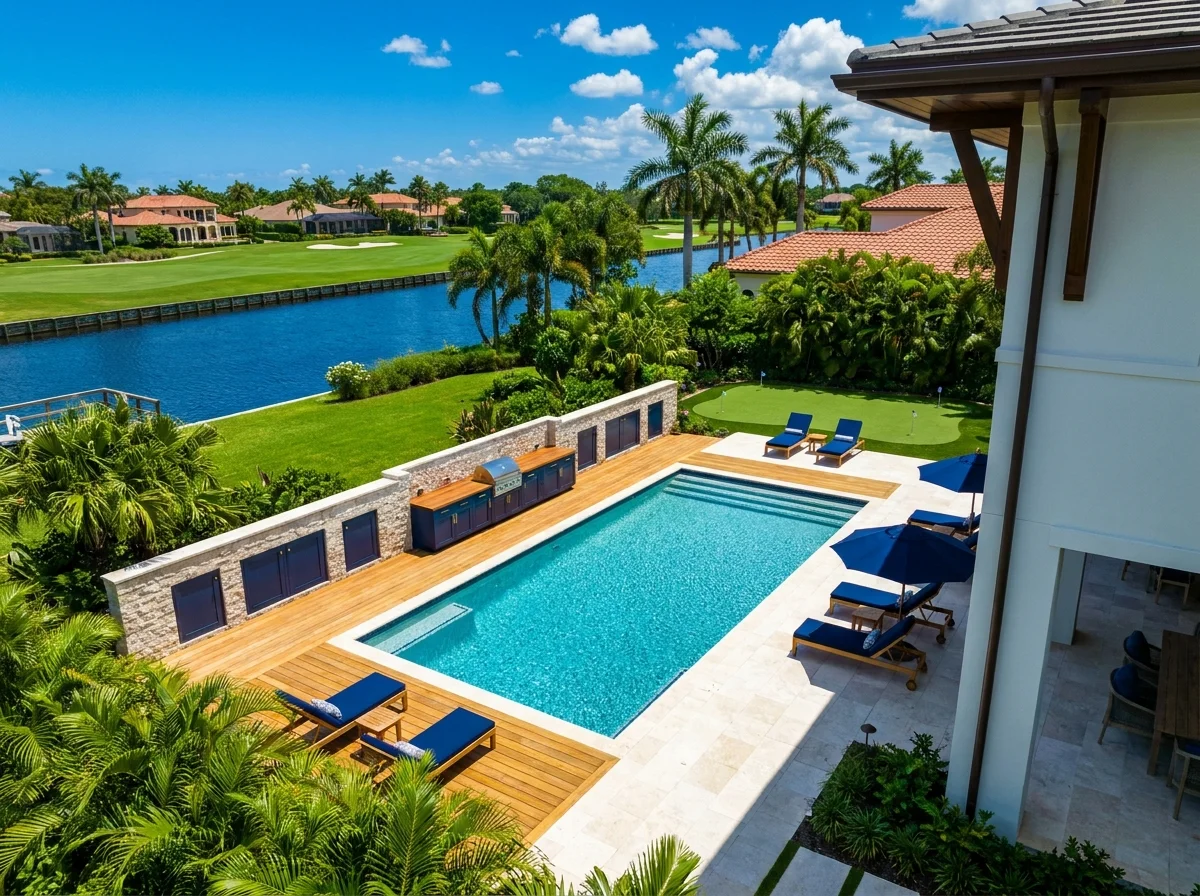
Efficient storage planning does not mean filling every wall with cabinets. It means understanding how you live in Naples or anywhere in SWFL, then giving every category of your belongings a logical home that supports that lifestyle.
When you plan storage at the same time as room layout, you can maintain clean sightlines to the pool and preserve light, while still having a place for everything from sandy shoes to seasonal decor. The result is a luxury home that looks beautifully minimal, but quietly works very hard behind the scenes.
If you are considering a custom build or major remodel, using this room-by-room approach during design will help you ask better questions, prioritize the right built-ins, and end up with a home that stays organized with far less effort.
XL Homes of SWFL is a family-owned custom home builder in Naples, Florida. Explore our luxury home portfolio, learn about our remodeling services, or schedule a free consultation.