
What Really Influences the Cost of Custom Home Building in Naples?
Building a custom home in Naples is not just about square footage. Flood zones, wind codes, design complexity, finishes, and contractor overhead all shape your final cost. Here is how those pieces fit together so you can budget with fewer surprises.
XL Homes Editorial Team
The XL Homes of SWFL editorial team brings you insights on luxury home building, interior design trends, and Southwest Florida living.
Cost of custom home building in Naples: the short answer
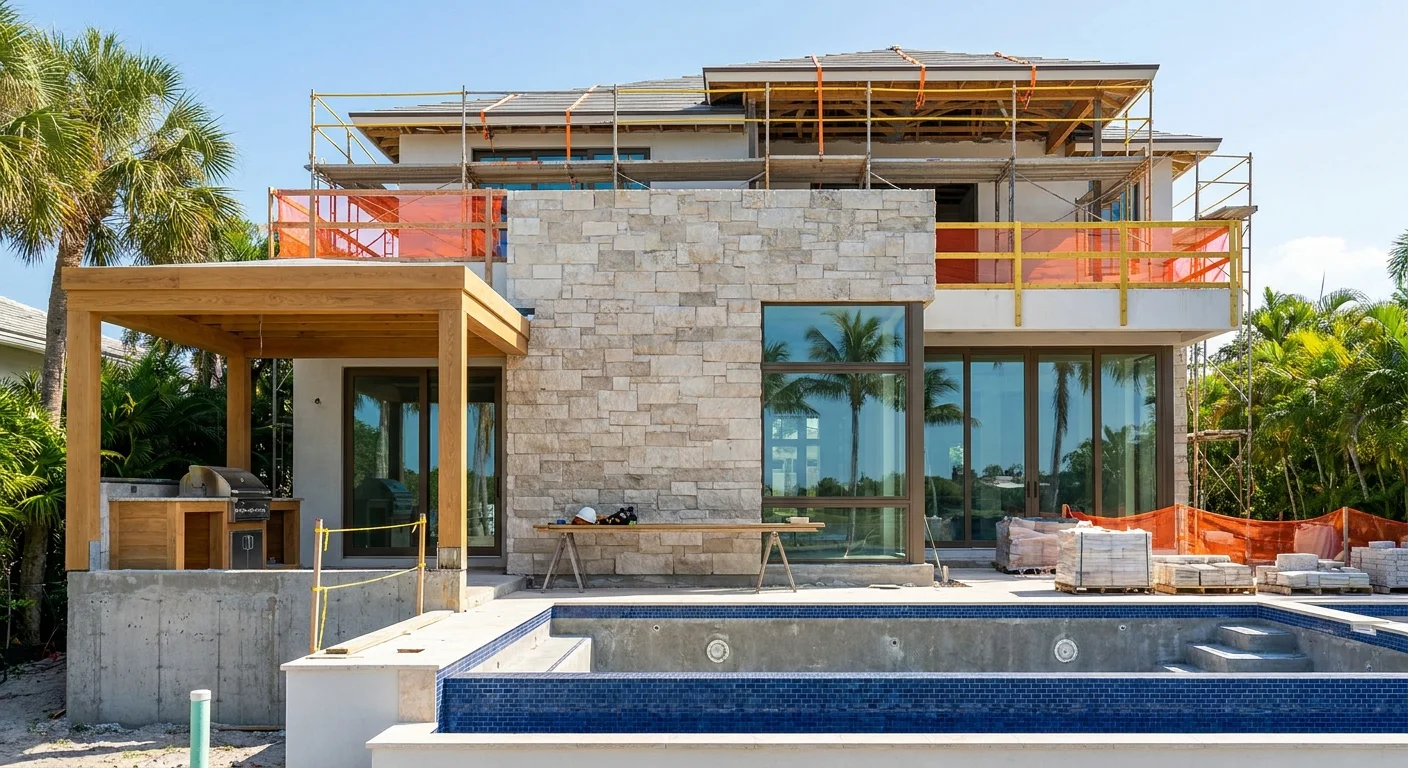
In 2026, most true custom homes in prime Naples neighborhoods like Port Royal, Aqualane Shores, Old Naples, Park Shore, and Pelican Bay typically fall in a broad band of roughly $600 to $1,200 per air-conditioned square foot, not including the lot. Some ultra-complex waterfront builds and fully bespoke estates can climb beyond that range.
The gap between the low end and the high end comes from a handful of very specific cost drivers: wind and flood codes, lot type and site work, structural and design complexity, finish level, outdoor amenities, and the soft costs and overhead that most owners underestimate.
The core drivers of Naples custom home cost
1. Location, flood zone, and height requirements
In Naples, the cost of custom home building starts with your flood zone, not your floor plan. A house west of Gordon Drive in Port Royal or on the bay in Park Shore lives in a different regulatory world than a home on a dry lot in Grey Oaks or Mediterra.
FEMA Flood Insurance Rate Maps (FIRM) and local Collier County ordinances dictate:
- Required finished floor elevation above Base Flood Elevation (BFE)
- Whether you must build on pilings or a stem-wall system
- Whether ground level can be enclosed as habitable space or must stay breakaway/non-habitable
A coastal site that needs deep auger-cast piles, a raised structural slab, and substantial fill can add hundreds of thousands of dollars over the same house on a high, non-coastal lot east of US-41.
According to FEMA's coastal guidance, exceeding minimum flood requirements, for example by elevating higher than code or improving flood resilience, may add modest cost but can reduce flood insurance premiums by up to 60 percent and lower long-term risk and maintenance. You can see this tradeoff laid out in FEMA's Home Builder's Guide to Coastal Construction.
Pro Tip: Ask your builder to show you how each extra foot of elevation affects both construction cost and projected flood insurance savings. The long-term math is often in your favor, especially west of 41.
2. Florida Building Code wind design and impact protection
Wind design is one of the most misunderstood line items in Naples custom home budgets. The Florida Building Code requires specific wind design in our coastal exposure categories. Those requirements sit behind many of the "why is that window so expensive?" conversations.
A Florida Building Commission analysis of a masonry home showed how different levels of wind and impact protection change cost. According to Appendix A from floridabuilding.org, adding impact-resistant glazed opening protection, such as shutters or some protected systems, added roughly $1.06 to $1.99 per square foot, equal to about 2.34 to 4.39 percent of selling price. Going to full impact-resistant glazing added roughly $3.27 to $4.09 per square foot, or about 7.22 to 9.04 percent of the selling price.
Spread across a 6,000 square foot air-conditioned Port Royal home with extensive glass, that difference is substantial. Impact protection can easily represent a high five-figure to low six-figure decision.
Our separate article on how impact windows influence hurricane insurance in Naples walks through how the extra upfront spend often pays back in lower premiums and better underwriting options.
In Naples, every additional wall of glass is not just a design choice. It is a structural and insurance decision with a price tag that is tied directly to the Florida Building Code.
3. Home size, structural complexity, and truss design
Total square footage obviously affects cost, but it is not just about more space. It is about what that space demands structurally. The Florida Building Commission notes that larger homes often require more complex wind load design, such as longer truss spans and specialized windows and doors.
That expansive great room you want on Gulf Shore Boulevard, with a 35-foot clear span and 12-foot tall sliders, costs materially more per square foot than a conventional 16-foot span room. It demands heavier steel, deeper beams, more engineering time, and higher-spec hardware.
Common structural cost drivers in Naples luxury builds:
- Long-span trusses over great rooms and lanais
- Massive multi-panel pocket sliders at the rear elevation
- Large cantilevered balconies facing the bay or golf course
- Three-story elements or rooftop decks in Old Naples infill lots
When you hear that one 6,000 square foot house in Aqualane Shores priced at $650 per foot and another of similar size landed near $900, structural complexity, glass coverage, and lot demands are often the difference.
Finish level: where Naples budgets really separate
4. Kitchens, baths, and millwork
Luxury finishes are where most Naples projects either stay on budget or blow past it. The same kitchen footprint can cost $150,000 or $450,000 depending on cabinetry, stone, appliances, and details.
Cabinets in particular create major swings. A semi-custom line with a painted shaker door is a very different budget animal than hand-built rift-cut white oak with integrated pulls and furniture-style details. If you are tracking design trends, our piece on 2026 luxury kitchen cabinet trends in Naples shows how some current choices directly affect budget and lead times.
Other finish drivers:
- Extensive built-in millwork in the study, club room, and primary suite
- Large-format stone or porcelain flooring versus engineered wood
- Custom metal stair railings versus basic wood systems
- Slab walls in showers and feature fireplaces
5. Primary suite expectations in SWFL
Southwest Florida buyers now expect resort-grade primary suites. That usually includes a morning bar, separate closets that function like boutique stores, and spa-level baths.
Each extra feature adds both material and square footage. It also adds plumbing fixtures, stone, millwork, and sometimes structural coordination for plumbing chases in two-story plans. If you are considering changes to an existing home instead of building new, compare these costs to the numbers in our whole-home remodel cost breakdown for Naples so you can decide if starting from scratch makes more sense.
Outdoor living, pools, and site features
6. Pool, spa, and deck packages
In Naples, outdoor living usually equals a serious line item. A basic pool and paver deck is no longer considered "market appropriate" in Port Royal or Moorings bayfront properties.
Cost escalators outdoors include:
- Perimeter overflow or knife-edge pools
- Raised spas with full glass tile cladding
- Fire features integrated into pool walls or water features
- Large-format stone decks and decorative concrete
If you are in the idea stage and want inspiration before setting a budget, our guide to luxury outdoor living spaces in Naples gives concrete examples of how different designs land in different cost brackets.
7. Outdoor kitchens and fire features
Many Naples buyers now treat the lanai as a second living room. Full outdoor kitchens with 36 to 54 inch grills, side burners, warming drawers, refrigeration, ice makers, and built-in hoods can mirror indoor kitchen budgets on a smaller scale.
Add fire features, especially gas linear fire pits or integrated fire bowls, and you introduce buried gas lines, ventilation considerations, and specialty materials. For a deeper look at design options that influence cost, see both outdoor fireplace designs for SWFL luxury homes and luxury outdoor fire features.
Hidden but critical costs behind the build number
8. Job-site costs and general contractor overhead
When owners in Naples compare "cost per square foot" numbers, they often miss what is actually included. FEMA's Cost Estimating Format for projects breaks costs into direct construction and several categories of job-site and contractor costs that sit on top.
According to FEMA's Cost Estimating Format guidance, key components beyond direct construction include:
- Job-site safety and security, typically about 2 to 10 percent
- Administrative submittals and quality control, often about 0 to 5 percent
- General contractor overhead at roughly 7.7 percent
- Insurance and bonding at around 3.3 percent
- Profit margin, which varies by market, builder, and risk profile
In other words, a $4 million direct-construction budget might carry $400,000 or more in necessary overhead, site costs, and insurance before profit. Reputable Naples builders will detail these items rather than bury them in a vague per-foot number.
FEMA also notes that economies of scale can reduce unit costs by up to 2 percent on large projects over $10 million. For most individual custom homes in Naples, that economy is limited, but if you are building a large estate compound the effect can be real.
Ready to Take the Next Step?
Schedule a consultation to discuss your custom home project
View Our Projects9. Engineering, permits, and professional fees
On top of hard construction costs, owners will typically incur:
- Architectural design fees
- Structural, MEP, and sometimes geotechnical engineering
- Interior design services
- Surveying, including as-built and elevation certificates
- Collier County impact fees and permit fees
In Collier County, permit review for waterfront or FEMA special flood hazard areas can require additional engineering documentation and sometimes multiple rounds of comments. That does not just add time. Each round requires professional hours that ultimately connect back to the cost of your custom home building process.
If you are just starting the entitlement process, our post on permits for Naples luxury homes in 2026 outlines typical timelines and common review issues for higher-end coastal projects.
Code, resilience, and why spending more upfront can save money
10. Modern Florida codes and hurricane performance
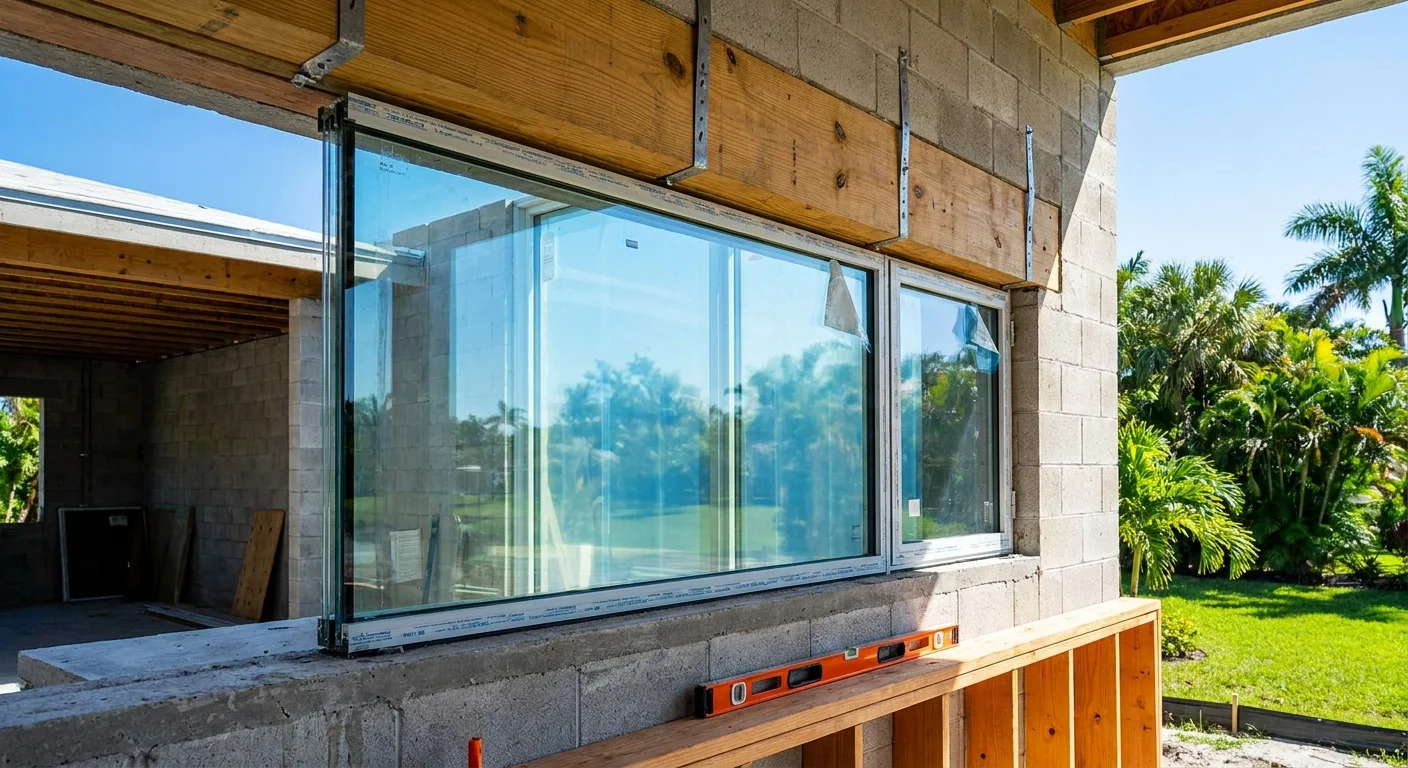
Some owners ask if it is worth going beyond minimum code. In Florida, the data is clear. A joint ICC and FEMA case study on Florida's building performance found that modern building codes have reduced windstorm losses by up to 72 percent, and strict enforcement provides an additional 15 to 25 percent loss reduction. The report notes that every $1 added during construction to meet the latest codes yields about $8 in avoided structural damage.
You can review those findings in the Florida case study on the benefits of modern building codes. The same report emphasizes that elevated buildings in coastal areas see far fewer and less costly claims than non-elevated homes.
For a Naples homeowner building new in a coastal flood zone, that means the premium you pay for stronger connections, more impact glass, or a higher finished floor is usually not just safety spend. It is also an economic decision that can materially influence your long-term repair costs and your insurability.
11. Insurance optimization as a design input
Insurance carriers writing in Naples in 2026, especially in the higher-value ranges, heavily weight construction quality and resilience features. They look at:
- Year built and compliance with current Florida Building Code
- Roof type, attachment methods, and secondary water barriers
- Window and door protection levels
- Elevation relative to flood requirements
In many cases, the additional cost of full impact-rated openings, enhanced roof systems, or additional elevation is offset over years by lower premiums and better access to private carriers instead of defaulting to last-resort options.
Designing for insurance optimization is now part of the cost of custom home building in Naples, especially for large waterfront houses that can draw very high wind and flood premiums if not detailed carefully.
Lot type: waterfront vs golf vs in-town infill
12. Waterfront site premiums
A house on a direct Gulf access canal or a wide bay view in Aqualane Shores will usually cost more to build than an identical plan in a gated golf community east of 41. Reasons include:
- Deeper foundations and corrosion-resistant rebar and hardware
- Seawall conditions and tie-ins, sometimes including replacement
- More aggressive wind exposure categories for structure and windows
- Tighter staging and access for cranes and material deliveries
We compare full ownership costs between water and golf in more depth in our analysis of waterfront vs golf homes in Naples. From a pure construction standpoint, count on the water lot driving higher structural, site-work, and glazing budgets.
13. Infill constraints in Old Naples and Coquina Sands
Odd lot shapes, strict setback lines, and mature trees can all push costs. Tight urban lots east of Gulf Shore Boulevard often require detailed staging plans, fencing, sidewalk protection, and sometimes off-site parking and shuttles for trades. All of that falls into job-site cost categories similar to the FEMA framework, and in Naples they are very real costs, not theoretical line items.
How to get a realistic budget early in the process
14. Stop thinking in "generic price per square foot"
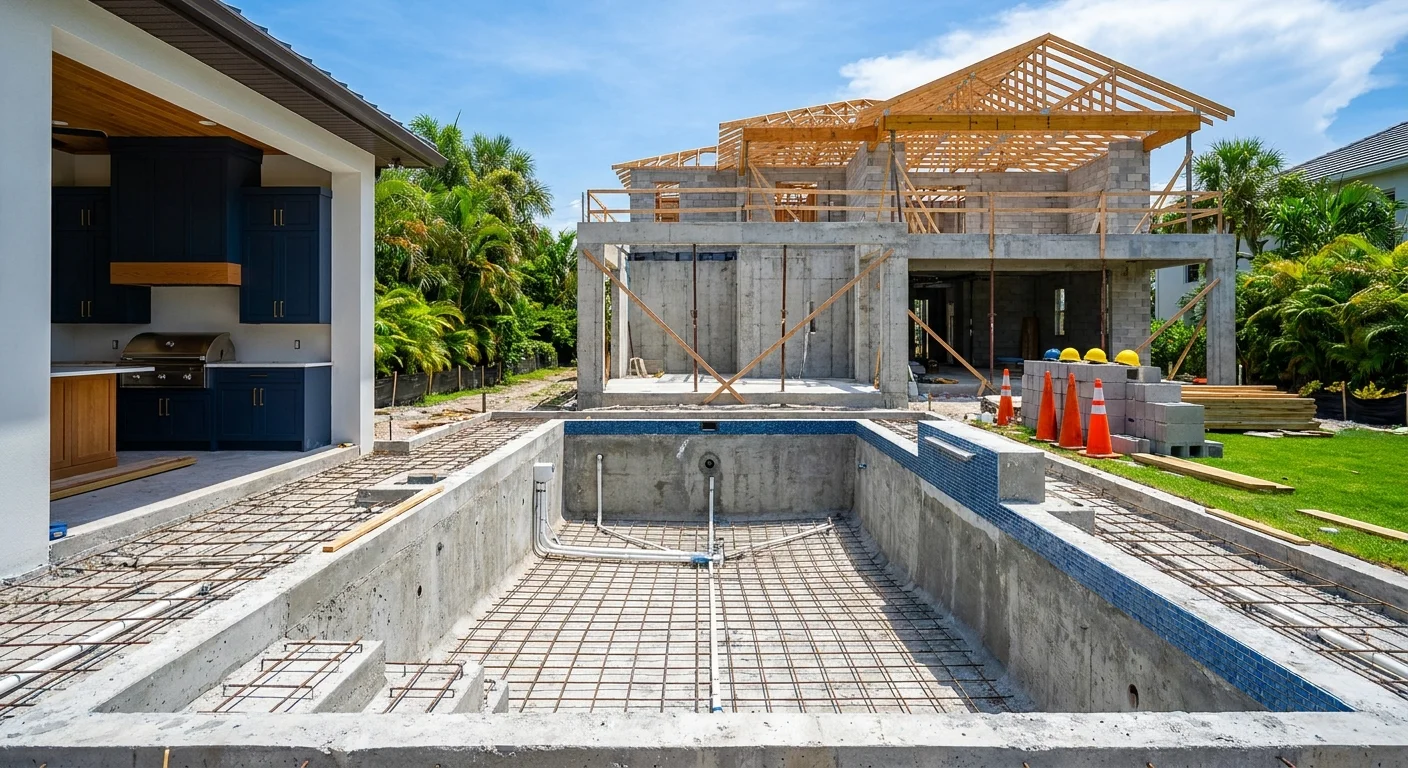
Average cost per square foot numbers that circulate in casual conversations in Naples often ignore half the items in FEMA's cost structure and most of the nuanced site and finish realities. A more accurate approach is to break your discussion into:
- Site-specific costs (lot conditions, elevation, utilities, seawall)
- Structural and envelope costs (foundation, framing, windows, roofing)
- Interior build-out (partitions, millwork, finishes, fixtures)
- Outdoor living, pool, and hardscape
- Soft costs (design professionals, permits, surveys, impact fees)
- General conditions, overhead, insurance, and profit
A good Naples custom builder will show you a preliminary pro forma that treats these as distinct categories, tied clearly to your lot and wish list.
15. Use recent local projects as benchmarks
The best predictor of your eventual costs in Naples is not national data or a generic estimator. It is the actual end-of-project accounting from recent builds on similar streets, in similar flood zones, with similar finish and outdoor programs.
When you interview builders, ask them to walk you through anonymized cost breakdowns on a handful of homes, for example, a bayfront Aqualane house with a negative-edge pool and full impact glass, or a Pelican Bay golf course house with more conservative fenestration but very high-end interiors. Pay attention not just to the total number, but to which categories swung the most compared to your expectations.
Putting it all together for your Naples custom home
The cost of custom home building in Naples in 2026 reflects far more than square footage and finish selections. Flood zone and elevation decisions, wind and impact requirements under the Florida Building Code, lot constraints, structural ambition, outdoor living scope, and the very real layers of job-site and overhead cost all stack into the final number.
According to Florida and FEMA research, though, spending strategically on structural resilience and code-plus performance usually returns multiple times its cost in avoided damage and better insurability. In a coastal market like Naples, the cheapest build rarely ends up the least expensive home to own over time.
If you align your design aspirations with clear site intelligence and an honest conversation about these cost drivers early, you will enter the process with sharper expectations and far fewer surprises. That is the difference between a Naples custom home that simply looks expensive and one that is built smart, performs well, and holds its value through the next storm cycle and market turn.
XL Homes of SWFL is a family-owned custom home builder in Naples, Florida. Explore our luxury home portfolio, learn about our remodeling services, or schedule a free consultation.