
Top Custom Lighting Trends For Naples Luxury Homes 2026
See how the top custom lighting trends for luxury homes in Naples in 2026 blend smart technology, wellness-focused design, and coastal-modern style. From Port Royal great rooms to Pelican Bay sky-high condos, learn what lighting truly elevates a SWFL residence.
XL Homes Editorial Team
The XL Homes of SWFL editorial team brings you insights on luxury home building, interior design trends, and Southwest Florida living.
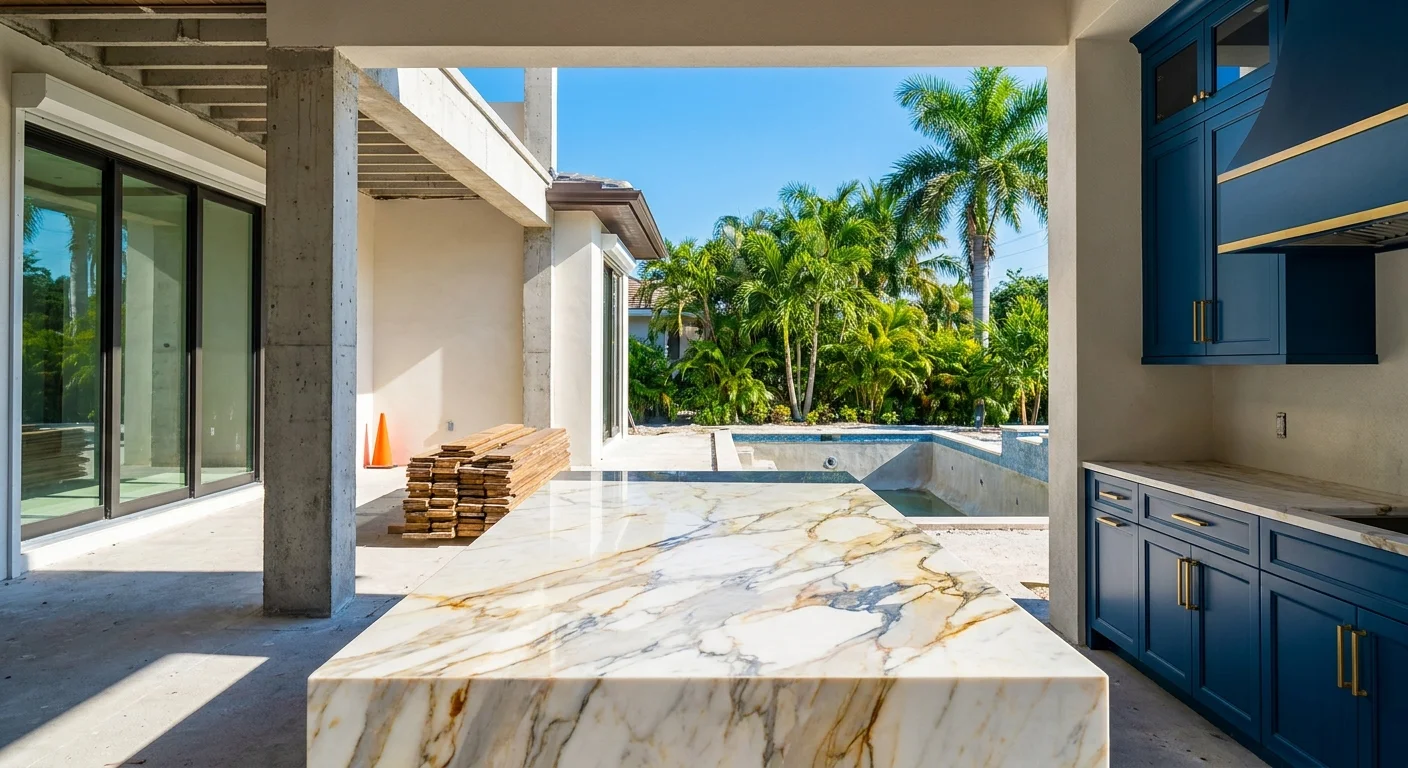
Why custom lighting defines Naples luxury in 2026
The most luxurious homes in Naples in 2026 stand out for one reason before you notice the millwork, the stone, or the art: custom lighting. In Port Royal, Aqualane Shores, and along Gulf Shore Boulevard, buyers expect lighting that feels like a five-star resort, performs like a smart device, and holds up to salt air and hurricanes.
Custom lighting trends for luxury homes in Naples now balance three priorities: design drama, climate-smart durability, and integrated technology. Done right, lighting raises appraisal value, supports wellness, and protects your investment under FEMA and Florida Building Code realities in Collier County.
1. Layered coastal-modern lighting as the new baseline
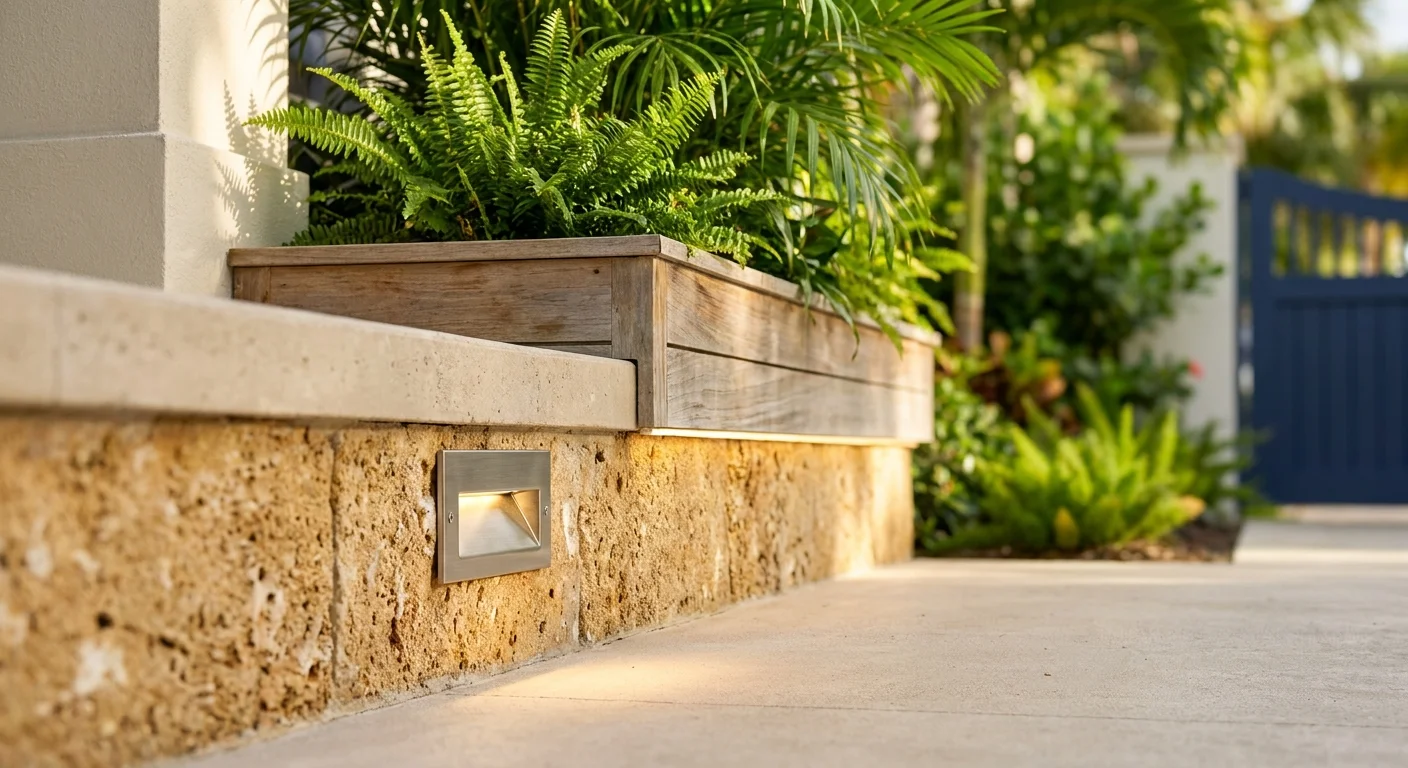
Single-source lighting is gone in Naples luxury homes. In its place, layered coastal-modern lighting uses three to four distinct layers in every major space.
In a Port Royal great room, for example, we now see:
- Recessed LED downlights for general illumination
- A sculptural chandelier over the seating area or dining table
- Wall washers or grazers highlighting plaster or stone feature walls
- Cove lighting in the ceiling tray and under floating cabinetry
Pelican Bay high-rise renovations use the same strategy in tighter footprints. Designers integrate low-profile track or linear slots where older slab ceilings limit recess depth, but the principle remains: no room relies on a single fixture anymore.
Pro Tip: Ask your lighting designer to show the same room at 100 percent, 50 percent, and 10 percent output. If it does not feel comfortable at all three levels, the layers are not doing their job.
Why layered lighting matters in SWFL
Naples homes suffer from intense sun during the day, then dramatic sky color at sunset. Layered lighting lets you counter midday glare with softer interior illumination and, at night, dim your interiors so the Gulf or bay views remain the star.
The Florida Building Code, referenced by the Florida Building Commission, pushes designers toward high efficacy LED solutions. That aligns perfectly with layered lighting, since efficient LEDs make multiple circuits and dimmed scenes far more practical and energy conscious.
2. Smart lighting becomes standard, not a luxury add-on
Florida Realtors reports that smart lighting is now one of the key home projects gaining traction in 2026, alongside energy efficiency and wellness upgrades. In Naples, that trend shows up in every serious luxury listing from Grey Oaks to Mediterra.
Owners do not ask whether smart lighting is included anymore. They ask which platform, whether it integrates with whole-home automation, and how easily guests can use it without a tutorial.
Scene-based control for real Naples routines
The most successful smart lighting in Southwest Florida is scene based and lifestyle specific. In Old Naples, where owners walk to dinner on Third Street South, we often program scenes like:
- "Morning Gulf" for soft warm light that shifts cooler as the sun rises
- "Beach Return" for brighter general light and exterior path lights after sunset
- "Storm Mode" that turns on strategic interior lights, exterior floodlights, and powers critical circuits when a storm is approaching
- "Away" scenes that simulate occupancy while you are in New York or Europe for the summer
Smart dimmers and keypads replace banks of confusing switches. Voice integration layers on top, but the physical interface still matters, especially for guests and older family members.
For a deeper look at how lighting intersects with automation, see how many of these concepts overlap with top smart home features for SWFL luxury residences. Lighting control is often the first smart system buyers actually touch every day.
3. Wellness-focused circadian lighting moves mainstream
Owners of luxury homes in Naples now expect their lighting to support sleep, energy, and visual comfort, not just aesthetics. This aligns with what Florida Realtors highlights for 2026, where wellness-focused upgrades rank alongside smart lighting and energy efficiency as projects that add value.
In practice, that means circadian-friendly lighting schemes. Color temperature shifts throughout the day, mimicking natural daylight patterns, especially important in deep floor plates or spaces without strong daylight like wine rooms and home theaters.
Tunable white lighting in key zones
We now see tunable white LED setups in:
- Primary suites in Port Royal and Park Shore towers, where waking and bedtime routines benefit from softer, warmer light
- Home offices in Grey Oaks and Mediterra that shift cooler during workday hours, then warmer in the evening
- Gyms and wellness rooms that pair circadian lighting with audio and climate control
The key is subtlety. Guests should not feel aware that color temperature is changing. Instead, they simply perceive the house as more comfortable at every hour.
In 2026, the most successful Naples lighting designs feel like a great resort spa: you rarely notice the fixtures, but you feel the difference in your body and mood.
4. Statement fixtures as functional art
While the technology recedes into the background, statement fixtures are getting bolder. In new custom builds west of 41, we are seeing 6 to 12 foot custom chandeliers specified early, sometimes before the structural drawings are complete.
Think hand-blown glass inspired by Gulf water, organic bronze forms over stone dining tables, and sculptural linear pendants for double-height entries on Galleon Drive and Gordon Drive. These pieces act like art, but they still need to perform as primary or secondary light sources.
Practical considerations for big fixtures
In Naples, the climate and codes shape how far you can push those statement fixtures. Corrosion-resistant finishes and sealed LED modules matter in open-air or semi-conditioned spaces where salt intrusion is real.
The Florida Building Code, informed partly by standards from the International Code Council, also affects anchoring and placement for heavy fixtures, especially in structures designed for high wind loads. Long before hanging that 500-pound chandelier, your engineer must design blocking and rated connections that satisfy both structural and inspection requirements.
If your design includes a dramatic fixture over an outdoor kitchen or lanai, align it with broader exterior design in mind. The same eye for detail that goes into top outdoor kitchen designs for Naples luxury homes should guide fixture selection, finish durability, and concealed wiring in covered exterior ceilings.
5. Indoor-outdoor lighting continuity for Gulf-front living
Naples luxury buyers increasingly want interior and exterior lighting that feel like one coherent system. When the 12-foot sliders pocket away along Crayton Road or in Aqualane Shores, the lighting transition should feel seamless.
Designers now run continuous cove lighting from interior great rooms out to covered lanais, use matching linear profiles indoors and outdoors, and coordinate color temperature across all zones. That way, your terrace does not read icy blue while your interiors feel warm and inviting.
Dark-sky and turtle-friendly concerns
Along the Gulf, lighting needs to respect coastal ecology and local ordinances. Exterior fixtures and glazing choices must minimize light spill that confuses sea turtles and contributes to light pollution.
FEMA and related coastal guidance, as outlined on FEMA's official site, emphasize building practices that respect coastal environments and long term resilience. While FEMA focuses more on flood risk and structural safety, in practice those same homes are now using shielded, down-directed fixtures and controlled exterior lighting to balance safety, code compliance, and shoreline stewardship.
In communities like Pelican Bay and Park Shore, association guidelines often layer on additional requirements. Early coordination with your architect, lighting designer, and HOA saves time and redesign later in the process.
6. Resilience-focused lighting for FEMA and hurricane realities
Any serious discussion of custom lighting trends for luxury homes in Naples must address FEMA flood zones and hurricane resilience. Much of coastal Naples falls within Special Flood Hazard Areas, so lighting design is not just about aesthetics, it is part of your risk management strategy.
In elevated homes or those with breakaway ground floors, electrical and lighting systems should be designed to keep critical circuits above likely flood levels. This follows the spirit of FEMA floodplain guidance, which prioritizes protecting building systems in flood-prone areas.
Backup power and critical lighting circuits
For Port Royal and Old Naples estates, generators and battery backups are now assumed. The trend in 2026 is to predefine which lighting loads connect to backup systems. Typically that includes:
- Interior circulation lights (hallways, stairs, key corridors)
- Exterior egress and security lighting
- Minimal kitchen and bath lighting for safe function
- Server and control room equipment that manages smart lighting
When a storm passes and grid power is down, these critical circuits preserve livability while still controlling energy consumption. It also matters for insurance optimization, as carriers increasingly reward hardened, resilient electrical and lighting systems in coastal zones.
7. Minimalist and concealed lighting in high-value spaces
In 2026, many of the most expensive homes in Moorings, Coquina Sands, and Grey Oaks share a surprising trait: you do not immediately see much lighting. Instead, you feel it.
Minimalist and concealed lighting hides the source to highlight the subject. That might be art above a limestone console, texture on a stucco wall, or the veining in a Calacatta slab in the kitchen.
Slot lighting, coves, and micro downlights
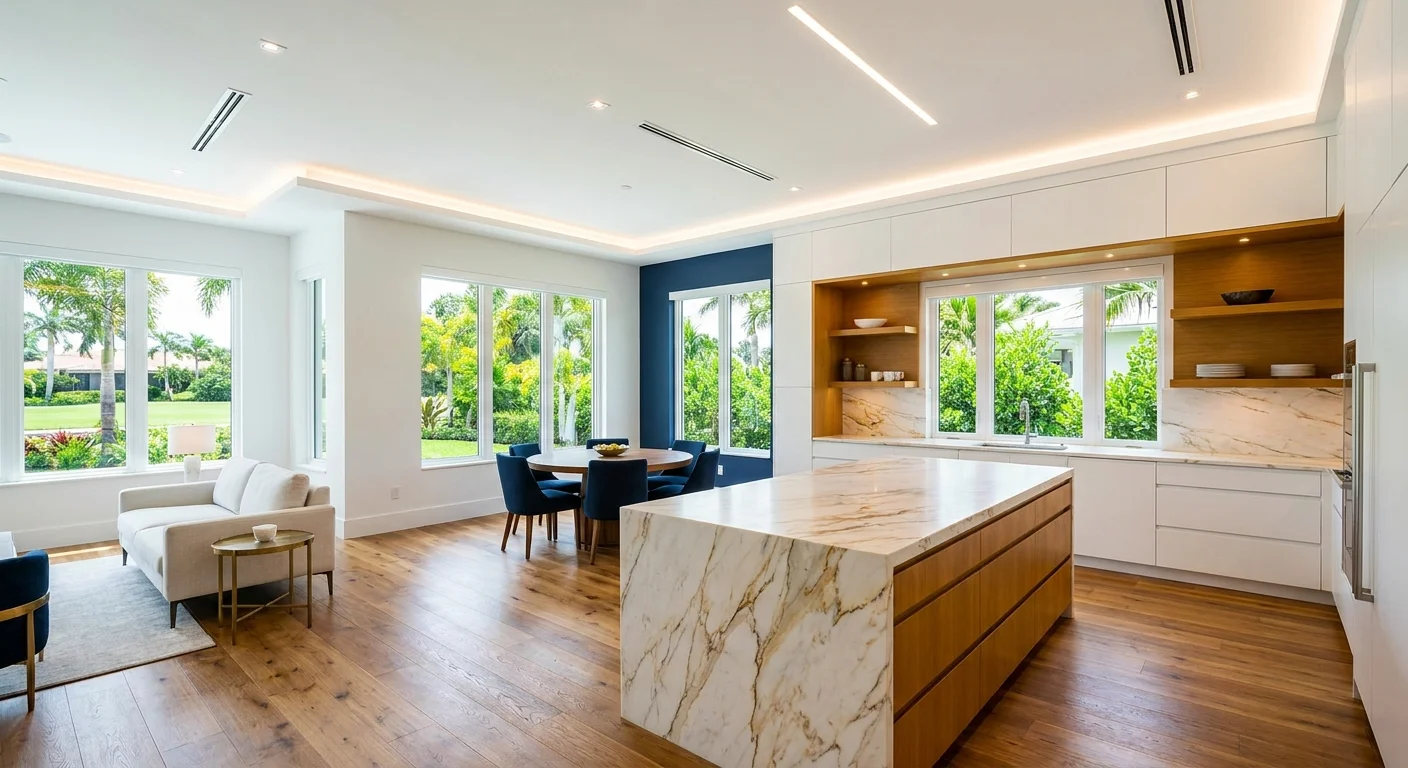
Several specific approaches are dominating luxury interiors:
- Recessed linear slots instead of traditional round cans, especially in kitchens and corridors
- Shallow coves integrated into ceiling details, especially in primary suites and dining rooms
- Micro downlights with small apertures for galleries and hallways, reducing visual clutter
- Integrated shelf, niche, and undercabinet lighting for kitchens, bars, and display cases
Clients who value this kind of subtlety often apply the same philosophy in kitchens and baths. It aligns closely with what we already see in top kitchen design trends for 2026 in SWFL luxury homes and 2026 bathroom trends elevating SWFL luxury homes, where integrated and concealed lighting elevates stone, tile, and cabinetry.
8. Sustainable and energy-aware lighting choices
Even at the top of the market in Collier County, owners are paying attention to efficiency and environmental impact. That is partly philosophy and partly practicality: large homes with lots of glass and volume eat energy without thoughtful lighting design.
High efficacy LEDs, advanced dimming, occupancy sensors in secondary spaces, and daylight harvesting in select zones are now standard features in serious Naples projects. These strategies pair well with material choices outlined in eco-friendly materials for SWFL luxury homes, reinforcing sustainability across disciplines.
How Florida Building Code influences lighting efficiency
The Florida Building Commission publishes the Florida Building Code, which includes energy efficiency provisions. Those sections encourage or require efficient lighting power densities and controls, especially in larger homes.
While most owners never read those sections, they benefit from the results: cooler-running fixtures, lower electric bills, and more creative use of multiple circuits. Careful specification ensures that efficiency does not come at the expense of color quality, dimming smoothness, or fixture longevity.
9. Room-by-room lighting trends in Naples luxury homes
Each space in a Naples luxury home has its own lighting story. In 2026, we see distinct patterns from garages to wine rooms.
Great rooms and living spaces
Trends include:
- Large centerpieces paired with quiet recessed grids that wash walls and ceilings
- Integrated millwork lighting for built-ins and art niches
- Accent uplights in planters or along columns to soften volume at night
With ceiling heights often reaching 14 to 18 feet in Port Royal, careful aiming and narrow beam options keep glare under control while still showcasing volume.
Kitchens and dining areas
Kitchen lighting now features multi-layer task and accent setups. Linear lights in coves, ultra-thin undercabinet strips, and small aperture downlights work together with pendants over islands.
Dining areas in Naples often occupy the same open volume as great rooms. That encourages lower, more intimate pendants or chandeliers that visually anchor the table, especially in open concept plans popular in SWFL new construction.
Outdoor living and pool areas
For outdoor living rooms, fire tables, and pool decks along Gordon Drive or in Park Shore waterfront homes, lighting trends emphasize indirect approaches. Step lights, underwater pool LEDs with soft color options, and warm perimeter lighting avoid the washed out effect of traditional floodlights.
Controls are just as important as fixtures. Programmable scenes that respond to sunset and occupancy make entertaining effortless and keep owners from fidgeting with switches while guests arrive.
Wine rooms, bars, and specialty spaces
Custom lighting is a defining feature in Naples wine rooms and bars. Backlit stone, edge-lit glass shelving, and carefully tuned color temperature all support that "private club" ambiance.
These techniques often overlap with the strategies discussed in top custom wine cellar designs for Naples luxury homes, where lighting drives both drama and proper bottle display. The best designs position LEDs away from direct contact with labels and corks to control heat while still creating visual impact.
10. Choosing the right team for custom lighting in Naples
Lighting in 2026 is simply too complex to leave to guesswork or last minute selections. Integrating design intent, Florida Building Code requirements, FEMA considerations, and automation platforms demands a coordinated team.
A strong custom builder, a dedicated lighting designer, and an architect who understands Collier County permitting make a measurable difference. You want professionals who have already handled inspections in Naples, worked with local utilities, and navigated approvals for high end projects in gated communities and coastal neighborhoods.
If you are still assembling your team, it is worth reviewing guidance on choosing the right contractor for Naples luxury homes and comparing it with lists of top luxury custom home builders in Collier County. Lighting success starts with early planning and the right partners, not a catalog order at the end of construction.
Looking ahead: custom lighting as a value driver in 2026 and beyond
Florida Realtors notes that smart lighting, efficiency, and wellness upgrades are among the 2026 home projects most likely to add value. In Naples, where buyers expect both performance and beauty, custom lighting sits at the intersection of all three.
As codes evolve through resources like the International Code Council and state bodies, and as FEMA updates flood guidance for coastal regions, lighting design will continue to adapt. The trend line is clear: more intelligence, more integration, more subtlety, and more alignment with how owners actually live in their homes.
For luxury homeowners in Naples, the message is simple. Treat custom lighting as a critical design discipline, on par with architecture and millwork, and you will create a home that feels as extraordinary at 10 p.m. as it looks at noon along the Gulf.
XL Homes of SWFL is a family-owned custom home builder in Naples, Florida. Explore our luxury home portfolio, learn about our remodeling services, or schedule a free consultation.