
Eco-Friendly Materials For SWFL Luxury Homes
Southwest Florida luxury homes can be both high-end and highly efficient. See how XL Homes integrates eco-friendly materials, from AAC wall systems to recycled-glass surfaces, while aligning with Collier County codes and Naples buyers' expectations for sustainable design.
XL Homes Editorial Team
The XL Homes of SWFL editorial team brings you insights on luxury home building, interior design trends, and Southwest Florida living.
Why eco-friendly materials now define SWFL luxury homes
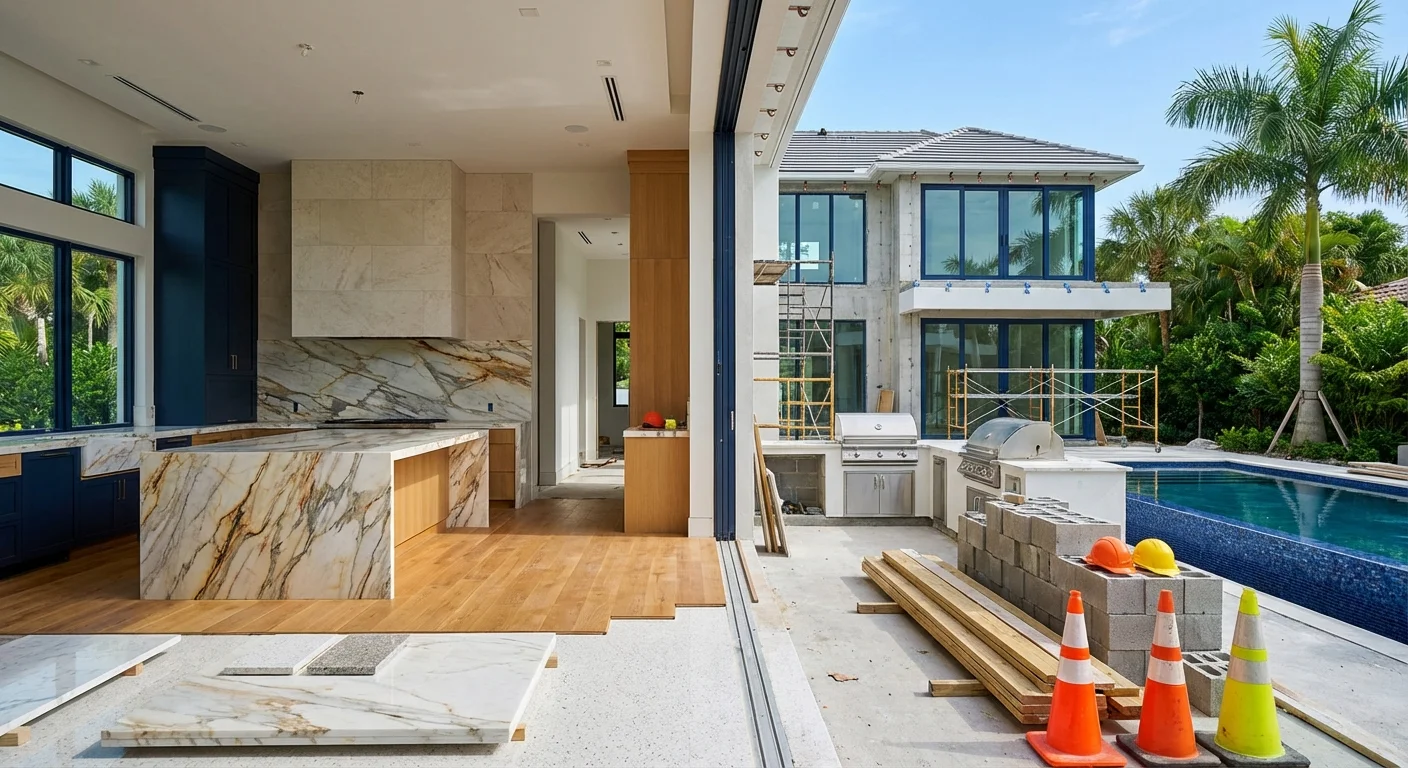
In Southwest Florida, eco-friendly materials in SWFL luxury homes are no longer a novelty. They are a value driver, a resale advantage, and increasingly a quiet requirement for discerning buyers in Port Royal, Aqualane Shores, and Park Shore.
High-net-worth clients want three things at once: coastal architecture that feels light and open, hardening against storms, and operating costs that stay reasonable despite Collier County electric rates and long cooling seasons. The right materials strategy delivers all three.
The new definition of luxury in Naples: performance plus responsibility
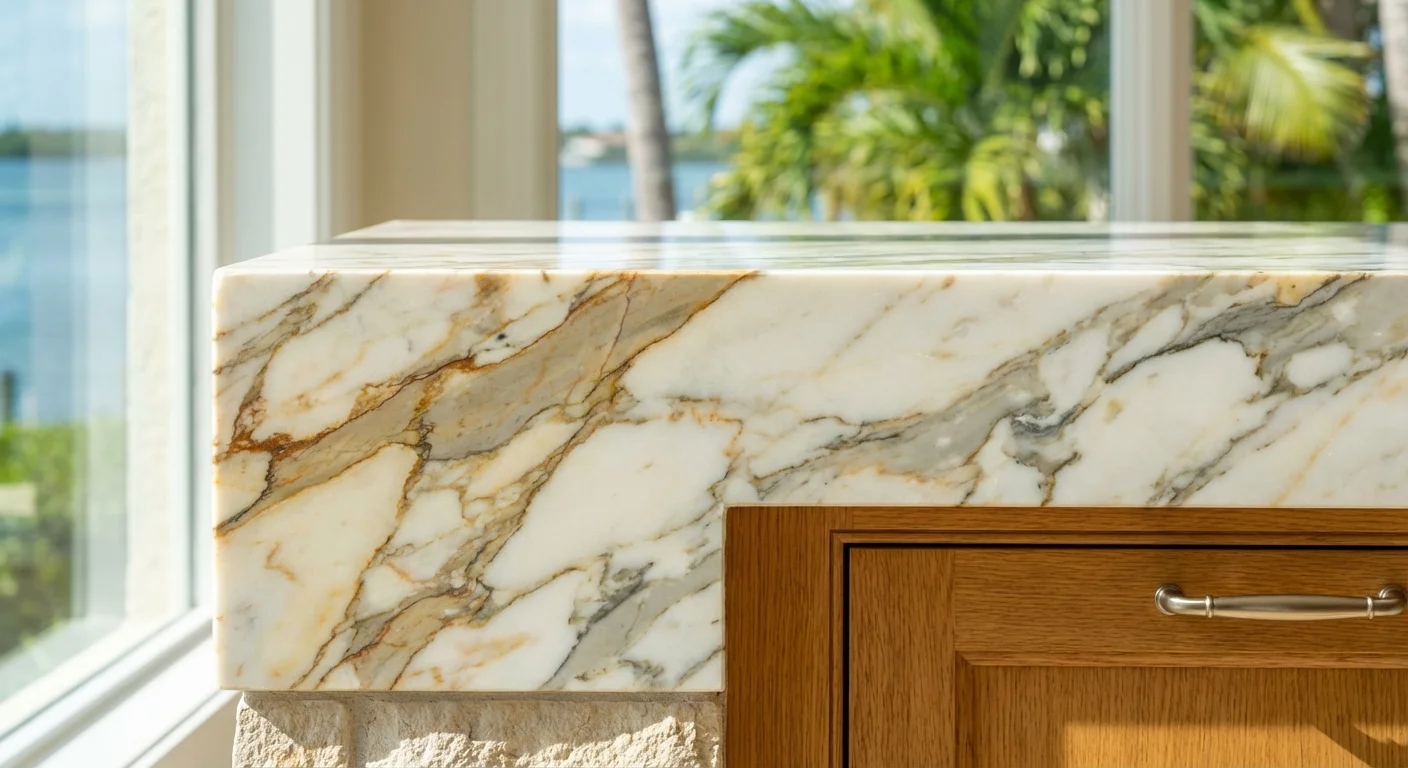
Luxury in Naples used to focus on marble slabs and millwork. Today, the smartest estates in Grey Oaks or along Gordon Drive pair that visual drama with hidden performance: wall systems that insulate, glazing that filters heat, and finishes that use recycled content without sacrificing refinement.
XL Homes treats sustainability as a technical design problem, not a marketing slogan. Material choices are evaluated on four fronts: energy performance, durability in coastal conditions, indoor air quality, and alignment with Southwest Florida environmental expectations.
In SWFL luxury homes, the greenest material is not the trendiest, it is the one that survives 20 hurricane seasons and still looks new.
Structural materials: building the eco-friendly shell
AAC wall systems: from Treviso Bay to your custom estate
Autoclaved Aerated Concrete, often shortened to AAC, has moved from niche to mainstream in Collier County high-end construction. At the Peninsula at Treviso Bay, luxury estate homes use AERCON AAC, a lightweight mineral-based block, as the primary wall material. Naples Daily News has documented how this technology delivers better fire protection, insulation, and resistance to pests and decay.
For a Port Royal-scale custom home, AAC offers clear sustainability benefits. Its insulating value reduces cooling loads, so mechanical systems can be downsized, and the mineral composition is non-toxic and mold resistant when designed correctly.
How AAC compares to conventional block in SWFL
- Thermal comfort: AAC has significantly better thermal resistance than standard concrete block, which means more stable interior temperatures in August without overworking air conditioning.
- Weight and structural efficiency: The product is lighter than standard CMU, which can reduce structural dead load on foundations while still meeting Florida Building Code structural requirements when engineered correctly.
- Pest and decay resistance: AAC is mineral based, so termites and other pests have no food source, which is especially relevant near mangrove and golf course edges in Mediterra and Pelican Bay.
XL Homes often combines AAC exterior walls with poured-in-place concrete tie beams and high-grade anchor systems to align with current Florida Building Code wind provisions for Collier County. The result is a shell that is both energy efficient and hurricane ready.
Pro Tip: When you review proposals from prospective builders, ask specifically whether they offer AAC or other high-performance wall systems, and request modeled energy savings relative to standard block.
Finishes with recycled content: luxury that supports local sustainability
Recycled glass and seashell surfaces from a Naples manufacturer
One of the quiet advantages of building in Naples is proximity to serious material innovation. Earth Surfaces of America, a Naples-based manufacturer, produces eco-friendly tiles and architectural concrete products that incorporate recycled glass, natural seashells, and marble chips. Their products, which Naples Daily News has profiled, show how recycled materials can read as true luxury when handled with care.
Because their operation is local, specifying these surfaces reduces transport distance compared to imported stone. That improves the material carbon story and supports the Naples manufacturing community while delivering one-of-a-kind finishes.
Where recycled-content materials work best in SWFL homes
XL Homes frequently uses recycled glass and seashell concrete products in high-visibility zones where natural light activates the embedded fragments.
- Pool decks and lanai floors: Ground polished concrete with recycled glass can make an Old Naples courtyard feel luminous, with a surface that stays cool enough for bare feet when detailed in lighter tones.
- Outdoor kitchens: Bar tops that integrate seashells and marble chips give a Gulf-front Aqualane Shores property a subtle coastal narrative without resorting to theme decor.
- Entry thresholds: Custom tile insets at the front door in Park Shore or Moorings homes create a sense of arrival and quietly broadcast the sustainable material story to guests.
These surfaces also perform well in Southwest Florida humidity. Properly sealed and detailed with appropriate slip resistance, they tolerate salt air, sunscreen, and heavy entertaining schedules far better than softer imported limestones.
Eco-friendly materials inside the luxury envelope
Cabinetry, flooring, and millwork that respect the tropics
Interior finishes are where owners often expect to see the most direct evidence of sustainability. XL Homes prioritizes three strategies that align with both green building principles and Florida's climate realities.
- Engineered European oak and similar hardwoods: These products use less slow-growth hardwood per square foot than solid planks, yet achieve the same visual effect in a Bay Colony penthouse or Grey Oaks estate.
- Formaldehyde-free cabinetry: Specifying low-VOC or no-added-urea-formaldehyde cabinet boxes improves indoor air quality. That is especially critical in tight, high-performing envelopes where air exchange is designed, not accidental.
- Moisture-tolerant substrates: In bathrooms, laundry rooms, and pool baths (especially popular as clients follow the trends we covered in 2026 bathroom trends elevating SWFL luxury homes), moisture-resistant backer boards and composite trims significantly reduce the risk of mold.
Tile and stone with an eco-conscious lens
Many large-format porcelains include recycled content, though percentages vary by manufacturer. While we avoid invented statistics, reputable suppliers publish Environmental Product Declarations that quantify recycled material and embodied energy.
For a Port Royal primary suite, XL Homes may specify a porcelain slab that mimics Calacatta marble. This reduces quarrying impacts and long-distance stone transport while offering improved slip resistance and stain resistance, both important in a barefoot, indoor-outdoor lifestyle.
Glazing, roofing, and insulation: hidden material choices that pay off
High-performance glass that still feels like a glass house
The modern Naples aesthetic leans toward large openings: 20-foot sliders to the lanai, clerestory windows, and glass corners framing the Gulf or fairway. Eco-friendly does not mean reducing glass, it means upgrading it.
XL Homes works with window and door packages that combine impact-rated glass with low-E coatings tuned for the Southwest Florida climate zone. This approach maintains expansive views over Venetian Bay or the Estero Bay backwaters while reducing solar heat gain, which directly cuts cooling demand.
Cool roofs and long-life materials
Roofing has a quiet but significant environmental presence. In Collier and Lee Counties, reflective metal roofing, tile with high solar reflectance, and carefully specified underlayments extend roof life and lower attic temperatures.
- Standing seam aluminum: Ideal for coastal exposure, especially on Old Naples infill lots where wind uplift is a concern. Light colors reflect heat, and aluminum is highly recyclable at end of life.
- Insulated roof decks: When paired with spray foam or hybrid insulation approaches, the roof assembly creates a semi-conditioned attic, which protects equipment and reduces duct losses.
This strategy pairs naturally with smart home systems and energy features. Owners considering the features we outlined in top smart home features for SWFL luxury residences will see even better performance when automation controls a truly efficient shell.
Outdoor spaces: eco-friendly materials where you live outside
Permeable hardscapes and native plant palettes
Outdoor living is not an accessory in Southwest Florida, it is the primary living room for eight months of the year. Material choices outside have a direct impact on both environmental performance and daily comfort.
- Permeable pavers: In driveways and walkways, these systems allow rainwater to percolate instead of rushing into storm drains. That reduces runoff loads in heavy summer storms and can earn favorable consideration with drainage reviewers in Collier County.
- Native and Florida-friendly plantings: Species suited to our hot, humid climate in Pelican Marsh or Tiburon require less irrigation and chemical intervention than exotic lawns, which aligns with long-term aquifer protection.
XL Homes often coordinates early with landscape architects so that irrigation, lighting, and material selection reinforce sustainability goals instead of fighting them. That might mean integrating LED lighting into recycled glass pool coping or using shell-based aggregates in courtyard paving.
Eco-conscious outdoor kitchens and entertaining areas
Outdoor kitchens are standard in new builds from Royal Harbor to Logan Woods estate lots. There is significant opportunity here to make eco-friendly material decisions without sacrificing any sense of luxury.
- High-recycled-content stainless steel cabinets: Durable in salt air, fully recyclable at end of life, and easy to maintain.
- Locally manufactured concrete counters with recycled inlays: As mentioned earlier, Naples-based producers like Earth Surfaces of America allow clients to specify custom mixes that coordinate with pool water color and interior flooring.
- Composite decking with verified content: For rooftop terraces in places like Kalea Bay or Regatta, high-quality composite systems avoid tropical hardwood sourcing issues while resisting UV breakdown.
Many of these same spaces are also where we apply the outdoor concepts covered in top outdoor living trends in SWFL luxury homes for 2026. When we layer eco-friendly materials into those trends, the result is both current and responsible.
Health and indoor air quality: the invisible eco benefit
Low-VOC paints and adhesives
In tightly built, hurricane-ready homes, indoor air quality depends heavily on material emissions. Low-VOC paints and adhesives improve not only environmental impacts but also occupant health, which clients in high-end projects increasingly prioritize.
In practical terms, that means specifying third-party certified products for interior walls, ceilings, and trim, and coordinating with subcontractors to avoid last-minute substitutions that compromise the specification.
Moisture management as a sustainable strategy
Eco-friendly material integration in SWFL must always account for moisture. A product that looks green on paper can fail quickly if it traps humidity or supports mold.
- Careful selection of vapor-permeable yet water-resistant WRB (weather resistive barriers) behind AAC or block.
- Use of inorganic materials in critical areas like exterior wall insulation and sheathing.
- Tile assemblies with proper waterproofing in showers, especially where large-format slabs are used to achieve a seamless luxury look.
Durability is an environmental benefit. Materials that survive coastal humidity and storm events without frequent replacement reduce waste and long-term embodied energy.
Aligning eco-friendly materials with SWFL codes and approvals
Understanding local expectations and approvals
While there is not a single "green building" mandate for luxury homes in Collier County, design review boards in communities like Grey Oaks, Mediterra, and Bay Colony increasingly look favorably on designs that limit water use, reduce obvious runoff, and control light pollution.
Choosing eco-friendly materials is therefore partly a design decision and partly a strategy for smoother approvals. Permeable drive surfaces, native plantings, and thoughtfully placed low-glare LED fixtures often receive better feedback in preliminary reviews.
Flood and coastal considerations
In FEMA flood zones along the Gulf and Naples Bay, material choice carries additional weight. While this article focuses on eco-friendly aspects, many of the same materials perform well under current flood resilience expectations.
For example, concrete-based finishes with recycled content tolerate occasional wetting far better than solid wood, and AAC walls, when detailed correctly above required base flood elevations, improve both energy performance and resilience. For more on how flood maps shape design decisions, see our guide to Naples new flood zone maps in 2026.
How XL Homes approaches sustainable material selection
Performance modeling, not guesswork
Eco-friendly material integration is most effective when it is quantified. XL Homes uses energy modeling and coordination with mechanical engineers to understand how AAC walls, high-performance glazing, and reflective roofing combine to reduce cooling loads.
This process allows us to recommend targeted upgrades instead of blanket, costly "green packages." In some cases, upgrading glass and roof assemblies delivers more benefit than overspecifying insulation in slab-on-grade floors, which see minimal heat transfer in our climate.
Curated options that feel appropriate for Naples luxury
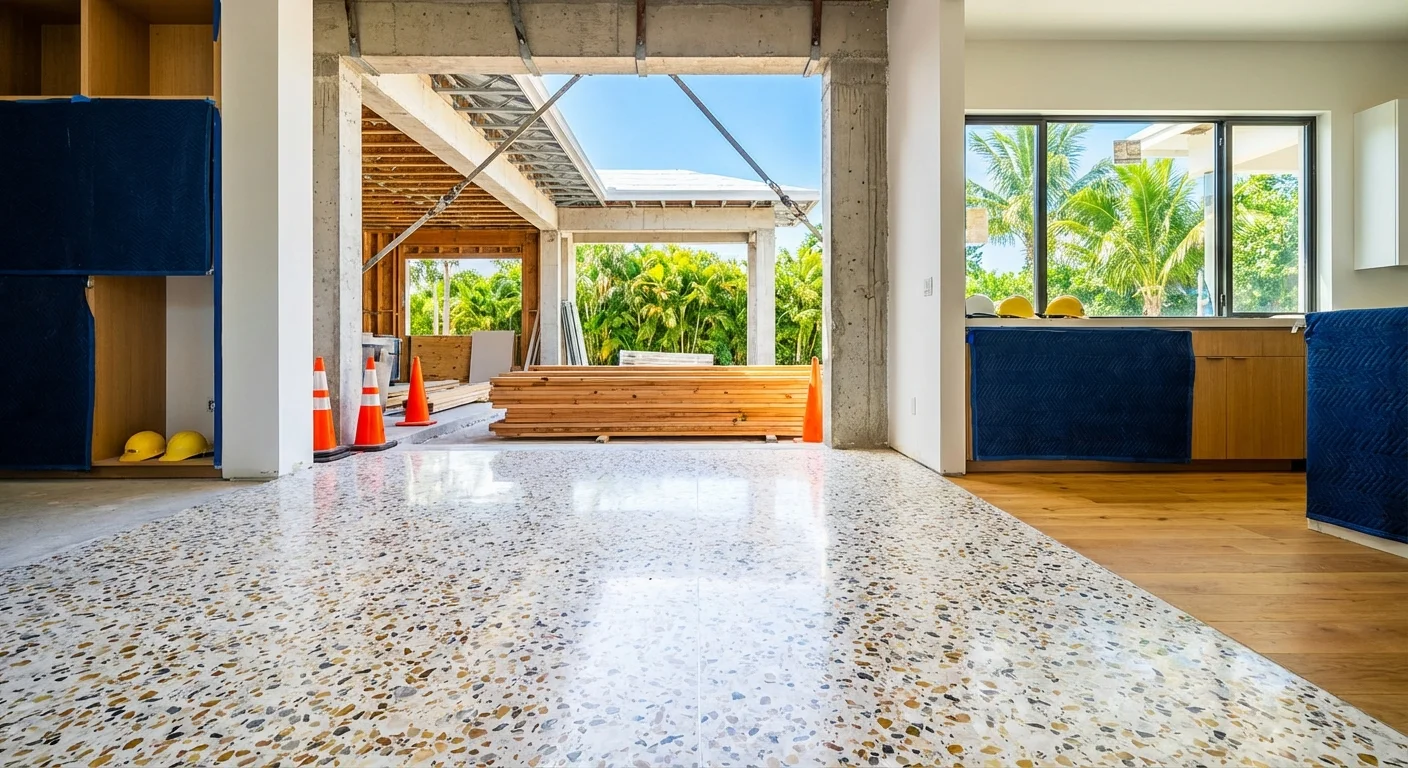
Clients building on Gulf Shore Boulevard or in Pine Ridge expect a certain material language. Sustainable selections must feel like an evolution of that language, not a departure.
- Recycled-content terrazzo stairs that echo classic Florida glamour while improving environmental performance.
- Locally made concrete tiles with shell and glass that complement imported stone rather than compete with it.
- Engineered wood species and veneers chosen for stability in humidity and responsible sourcing.
The goal is a home that could only exist in Southwest Florida: rooted in its climate, acknowledging its coastal ecology, and executed at a level that meets Naples luxury expectations.
Pro Tip: When interviewing builders, ask to see a completed home where eco-friendly materials are integrated throughout, not just in a token feature. Walk it in August, and pay attention to comfort, acoustics, and material aging.
Key material categories to discuss with your builder
If you are early in planning a custom home in SWFL, use this shortlist as a discussion guide with your design team and contractor.
- Structure: AAC or other high-performance masonry; options for insulated roof decks.
- Exterior finishes: Recycled glass and seashell concrete products; permeable pavers; reflective roofing materials.
- Interior finishes: Low-VOC paints, engineered wood flooring, cabinetry with verified low-emission cores.
- Glazing and shading: Impact low-E windows and doors, exterior shading strategies that reduce heat gain without blocking views.
- Outdoor living: High-recycled-content stainless or aluminum, locally made concrete counters, composite decking where appropriate.
These are also useful questions to bring into the contractor selection process, alongside the broader criteria we cover in choosing the right contractor for Naples luxury homes. A builder's comfort with these topics is a reliable proxy for their overall technical sophistication.
Conclusion: eco-friendly materials as the quiet luxury in SWFL homes
In the top tiers of the Naples market, sustainability is no longer about visible badges or experimental products. It is about carefully chosen materials like AAC walls, recycled-glass concrete, and low-emission finishes that make a Port Royal estate quieter, cooler, healthier, and more durable.
When you integrate eco-friendly materials in SWFL luxury homes the right way, you end up with a residence that responds to this climate, respects this coast, and still delivers the aesthetic precision that Naples buyers expect. That combination is the future of high-end residential construction in Southwest Florida, and it is already under construction across Collier and Lee Counties.
XL Homes of SWFL is a family-owned custom home builder in Naples, Florida. Explore our luxury home portfolio, learn about our remodeling services, or schedule a free consultation.