
Best Areas To Build A Custom Home In Naples & Collier
Thinking about building a custom home in Naples or greater Collier County? This in-depth guide compares Urban Estates, coastal neighborhoods, golf communities, and inland areas using flood maps, zoning rules, and lifestyle factors to help you pick the right homesite.
XL Homes Editorial Team
The XL Homes of SWFL editorial team brings you insights on luxury home building, interior design trends, and Southwest Florida living.
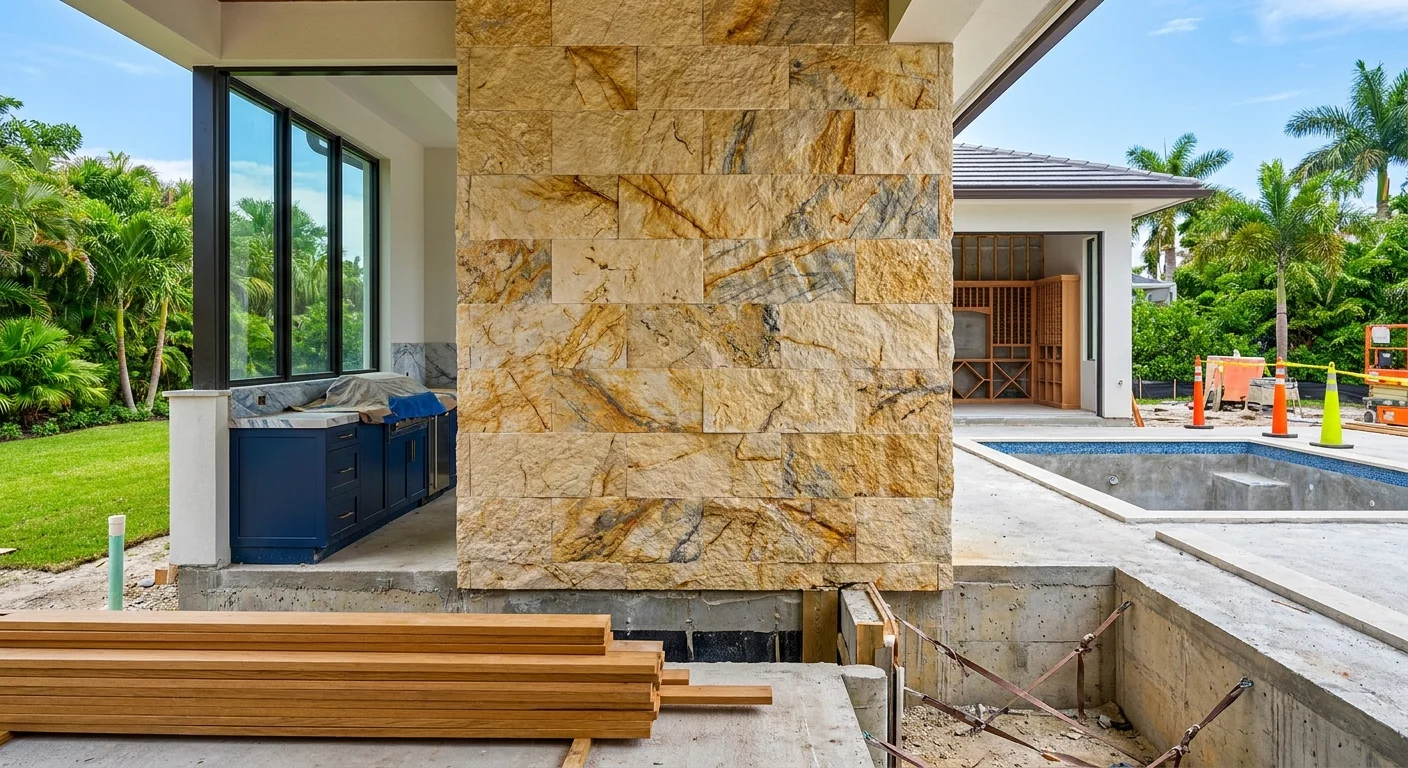
The best areas to build your home in Urban Estates, Naples FL and beyond
The best areas to build your home in Urban Estates, Naples FL depend on one thing first: risk tolerance for water and wind. Once you understand flood zones, elevation, and access, you can compare Urban Estates to coastal Naples and the broader Collier County with a clear head instead of just chasing views.
In 2026, with updated flood mapping and tighter insurance rules, the smartest custom home sites in Naples are often a few miles off the beach. Urban Estates is at the center of that conversation, especially for owners who want land, privacy, and modern construction without constant storm anxiety.
What exactly is Urban Estates in Naples?
Locals often say "Urban Estates" when they mean the large-lot, semi-rural area east of I-75 and north of Pine Ridge and Golden Gate Parkway. Think Logan Boulevard, Collier Boulevard, Vanderbilt Beach Road, and Immokalee Road corridors, with 1- to 5-acre parcels and no HOA or a very light-touch HOA.
On Collier County planning maps, you will see most of this area labeled as Estates zoning or similar low-density residential. This is where you see new 4,000 to 10,000 square foot custom homes with detached garages, RV barns, and full guest houses, all behind long private drives.
Why high-end buyers are looking inland in 2026
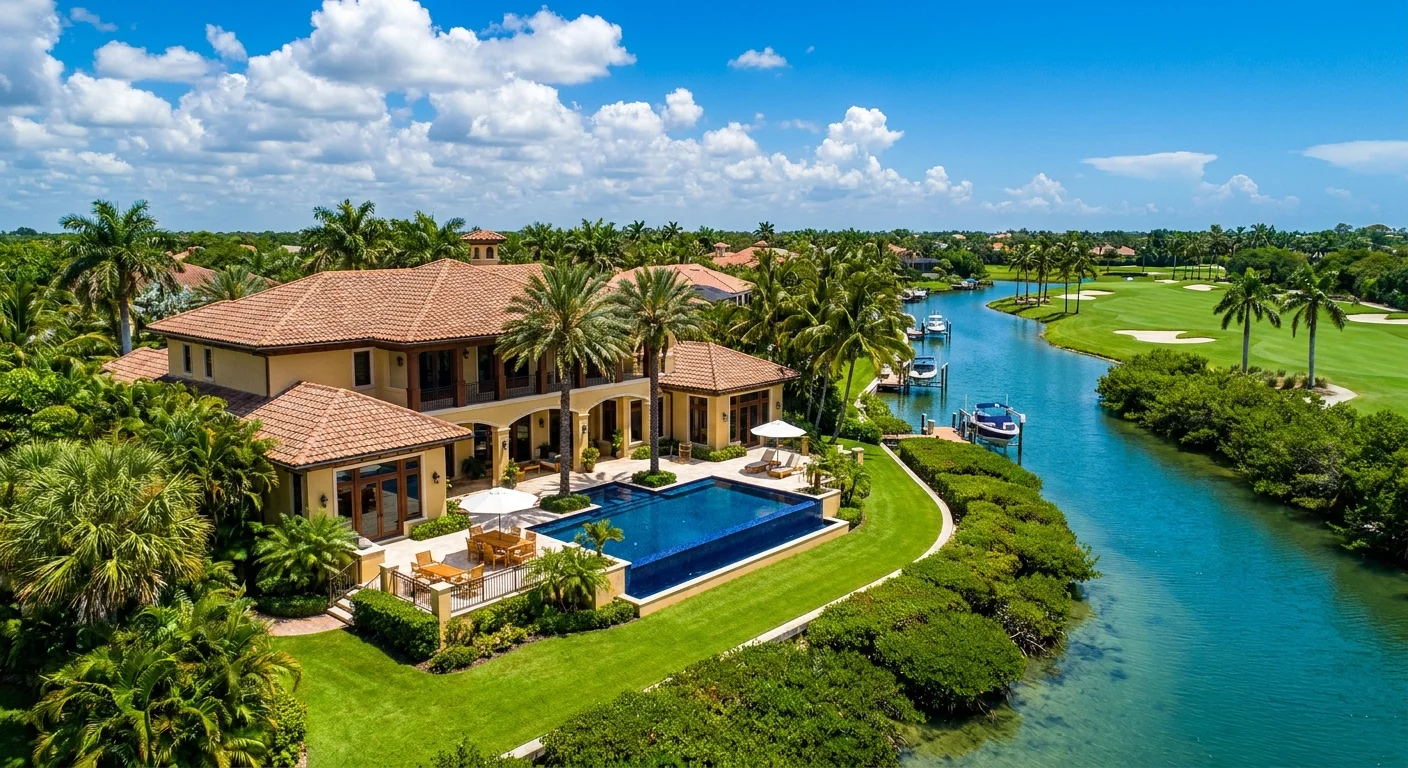
Insurance and flood risk are pushing many buyers who once focused only on Port Royal or Aqualane Shores to look at Urban Estates and similar inland zones. According to FEMA guidelines, homes outside high-risk flood zones (A and V zones) face fewer design constraints and often lower flood insurance requirements.
Urban Estates lies largely outside coastal V zones, and much of it sits higher than Old Naples and Park Shore. That does not mean no risk, but it means fewer limitations on finished floor elevations and more freedom in ground-level living spaces compared with waterfront lots.
Pro Tip: Before you even shortlist a lot in Urban Estates or anywhere in Collier County, pull its FEMA flood zone and base flood elevation. This sets your structural starting line and your insurance budget.
Flood zones, maps, and what they really mean for where you build
Every conversation about the best place to build in Naples or Collier County should start with FEMA flood maps. FEMA defines Special Flood Hazard Areas (SFHAs) where a 1 percent annual chance flood is possible. Builders design to those standards using the Florida Building Code plus FEMA flood zone requirements.
The City of Naples summarizes its floodplain regulations and local map overlays at naplesgov.com, which is a key reference if you are considering anything inside city limits such as Old Naples, Port Royal, Aqualane Shores, or Coquina Sands.
How flood zones affect design and cost
In coastal A and V zones, common in Port Royal and Aqualane Shores, you will often be required to build elevated, with breakaway walls and limited enclosed space below base flood elevation. That can affect how you design wine cellars, garage levels, and lower entertainment areas.
By comparison, much of Urban Estates and many inland Collier communities fall in X zones or less restrictive A zones, where you can often design primary living areas at grade or with modest elevation. That flexibility can translate to more usable first-floor space and lower foundation costs, as long as you comply with Florida Building Code flood provisions.
In 2026, the most resilient Naples luxury homes combine inland elevation, modern codes, and thoughtful siting more than just a Gulf view.
Urban Estates: when it is the best place to build
Urban Estates shines if you want space, privacy, and the freedom to design exactly what you want with minimal HOA interference. Many parcels allow detached structures, large motor courts, sport courts, and full-scale outdoor pavilions that would never pass architectural review in a coastal gated community.
Key advantages of building in Urban Estates
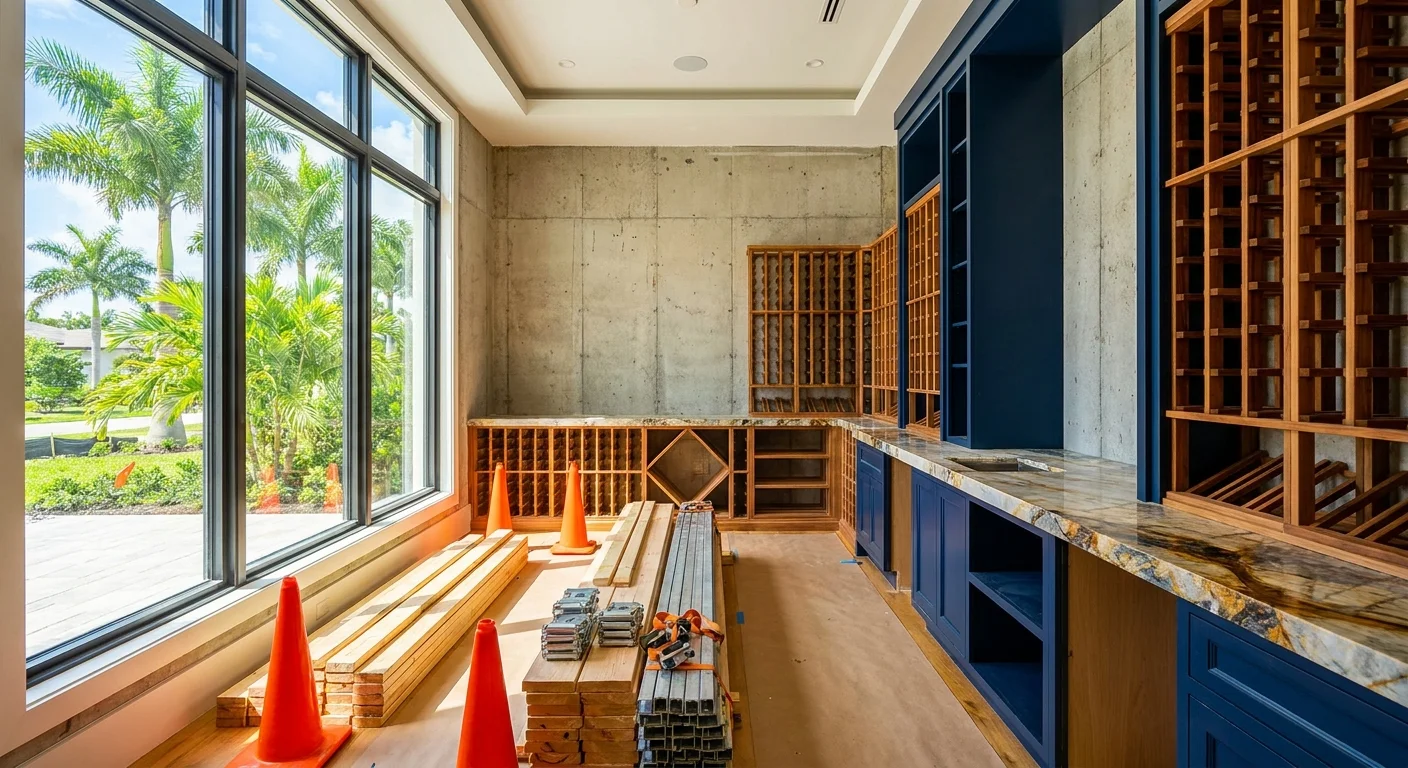
- Lot size: 1-5 acres instead of the typical 0.25 to 0.35 acre lots you see west of US-41. This is ideal if you want a large single-level footprint.
- Fewer architectural restrictions: No master HOA design board dictating style, so you can pursue anything from coastal contemporary to pure modern.
- More flexibility for outbuildings: RV garages, detached guest houses, home gyms, car barns, and hobby structures are much easier to permit.
- Better room for utilities: Whole-house generators, well and septic (where applicable), and solar fields can be planned without space constraints.
These factors are especially important if you are planning highly specialized spaces like large wine rooms, wellness pavilions, or multi-bay car collections. For example, if you are considering a serious wine program, pairing a generous lot with ideas from top custom wine cellar designs for Naples luxury homes gives you latitude to integrate climate-controlled rooms or even free-standing wine houses.
Urban Estates micro-areas to study closely
Even inside Urban Estates, some pockets work better than others depending on your priorities.
- North of Vanderbilt Beach Road, west of Collier Boulevard: Good access to Mercado, the beach, and North Naples hospitals. Attractive for families and seasonal residents who want quick westbound access.
- Logan Boulevard corridor: Popular among high-end custom builders, with new contemporary homes and relative ease to reach Pine Ridge and Livingston.
- Immokalee Road east of I-75: Larger tracts and a more rural feel, but with quick access to Founders Square and major services.
In each of these, you want to pull both the county zoning and flood information, and you want to walk the land during rainy season if possible. Low spots, drainage patterns, and adjacent vacant tracts all affect long-term comfort and value.
Comparing Urban Estates with coastal Naples neighborhoods
For some buyers, the decision is not Urban Estates versus inland Golden Gate Estates, but Urban Estates versus Port Royal or Aqualane Shores. That comparison is about tradeoffs between water access, elevation, and long-term carrying costs.
Port Royal and Aqualane Shores
Port Royal and Aqualane Shores offer deep-water Gulf access and immediate proximity to Third Street South and Old Naples. The City of Naples provides zoning, overlay districts, and floodplain details via its official information portal, which is essential reading if you plan to tear down and rebuild in these neighborhoods.
However, these areas sit in some of the most heavily regulated flood zones, with strict height and fill rules and significant insurance exposure. In practice, that means highly engineered foundations, careful positioning of mechanical equipment, and a strong focus on structural uplift resistance when your engineer applies Florida Building Code requirements for coastal construction.
Park Shore, Moorings, and Venetian Village area
Park Shore and The Moorings sit at intermediate risk, with bayfront and beachside parcels often in high-risk flood zones and interior parcels on slightly higher ground. Think of this as a middle ground: closer to the beach than Urban Estates, but generally with smaller lots and more HOA or condo association rules.
If your priority list includes smart home technology and high-efficiency systems, coastal lots sometimes limit where you can place equipment or backup power. This makes planning with your builder and resources like top smart home features for SWFL luxury residences especially important early in schematic design.
Old Naples and Coquina Sands
Old Naples delivers walkability to Fifth Avenue South, the beach, and Cambier Park. Downtown lots often demand creative design responses because of smaller dimensions, existing trees, and adjacency to older housing stock.
When you build new here, you typically deal with stricter review procedures and a more intense permitting process under city oversight. Much of this is documented and updated through City of Naples building and planning resources, which outline elevation requirements and stormwater expectations that influence your site engineering and architecture.
Broader Collier County: where building makes sense in 2026
Step beyond the City of Naples, and Collier County offers a spectrum of building opportunities that sit between Urban Estates and rural Immokalee-area tracts. This is where you find many of the golf and resort communities that show up regularly in Naples Daily News real estate coverage at naplesnews.com.
Golf and club communities: Grey Oaks, Mediterra, Talis Park, Quail West
Communities like Grey Oaks, Mediterra, Talis Park, and Quail West combine private club amenities with carefully controlled architectural standards. They typically sit at higher elevations than the immediate coast, with internal lakes and drainage systems engineered as part of the master plan.
You trade lot size and full design freedom for gate security, golf, and social infrastructure. Many of these clubs also have their own design guidelines layered on top of Collier County and Florida Building Code requirements, so your architect must navigate both if you are not building in Urban Estates or other non-HOA areas.
East Collier: Golden Gate Estates and beyond
Golden Gate Estates shares some DNA with Urban Estates, particularly large lots and more rural infrastructure. The difference is distance and feel. The deeper you go east toward Everglades Boulevard and beyond, the more country the environment, which can be appealing if you want a compound or equestrian focus.
Here, you must pay close attention to access, fire protection, and utility logistics. Insurance carriers often ask detailed questions about proximity to the nearest fire station and hydrant, and Florida Building Code wind provisions apply county-wide, so your structural design must consider open exposure and potential tree loss during storms.
Ready to Take the Next Step?
Schedule a consultation to discuss your custom home project
View Our ProjectsHow to evaluate any lot in Urban Estates or Collier County
Regardless of where you build, the evaluation process for a custom homesite should be disciplined and data-based. This is where working with an experienced design-build team pays off, as they can quickly identify red flags that casual buyers miss during a short showing.
Step 1: Confirm flood zone and base flood elevation
Use the FEMA flood map viewer together with Collier County GIS tools to confirm the designation for any lot you are considering. Check whether the site sits in an X, A, or V zone, and note the base flood elevation.
Then compare that elevation with typical finished floor elevations for new construction in that micro-market. In higher-risk zones, your builder may recommend going above the minimum to account for future map updates, similar to what we discuss in our guide to Naples new flood zone maps in 2026.
Step 2: Review zoning and use restrictions
For Urban Estates, verify whether the parcel is zoned for single-family only, whether you can build accessory dwelling units, and if there are any local overlays. Collier County zoning codes define setbacks, height limits, and coverage limits that affect your design massing.
Inside the City of Naples or in golf communities, you must also layer on HOA and city design rules. City documentation at naplesgov.com and community-specific design manuals provide the framework your architect must work within.
Step 3: Analyze soil, drainage, and trees
Soil conditions in Collier County range from sandy to mucky. In Urban Estates and Golden Gate Estates, you may encounter fill of varying quality on older lots. A geotechnical investigation is standard practice for any serious custom build and will inform your structural engineer on foundations and slab design.
Drainage is equally critical. Look for existing swales, culverts, and neighboring grading. Poor drainage design can compromise even the most beautiful house. FEMA and local stormwater guidelines require you to manage runoff on site, which means your civil engineer must synchronize site grading, driveway design, and roof drainage from the start.
Step 4: Think about long-term lifestyle logistics
Before you fall in love with any Urban Estates lot, drive the commute patterns you will live with. From Logan Boulevard and Vanderbilt Beach Road, reaching Fifth Avenue South and the beach is convenient. From deeper east, you may trade daily convenience for privacy and land.
Also think about your programming. If you want a resort-scale outdoor living environment like those we describe in top outdoor living trends in SWFL luxury homes, you will need width, depth, and sun orientation that some tight infill lots simply cannot offer.
Urban Estates vs other inland options: who should choose what
Not every buyer is a fit for Urban Estates, and not every buyer should pay for Port Royal frontage. Matching personality and priorities to location is as critical as matching architecture to site.
Urban Estates is ideal if you:
- Plan to build a large single-level or two-level custom home with extensive outdoor amenities.
- Want flexible space for garages, guest suites, wellness spaces, and storage.
- Prefer a quieter environment, but still want reasonable access to North Naples, hospitals, and I-75.
- Value lower flood exposure compared with direct waterfront, while staying relatively close to the coast.
Coastal City of Naples neighborhoods are ideal if you:
- Must have Gulf access boating or walkable beach access.
- Value walkability to Fifth Avenue South, Third Street South, or Venetian Village more than lot size.
- Accept higher insurance exposure and ongoing code changes as the cost of being on the water.
Golf communities and East Collier are ideal if you:
- Want bundled or equity golf and a strong club culture.
- Prefer controlled architecture and consistent streetscapes.
- Accept HOA guidelines and dues in exchange for amenities and security.
Design considerations once you pick your area
Once you commit to Urban Estates or any Collier County location, your next moves should align design decisions with site realities. This is where detailed pre-construction planning avoids costly redesigns later.
Building for wind and water
Florida Building Code sets baseline uplift and impact requirements across Collier County. In practice, this means specifying impact-rated glazing, continuous load paths, and roof systems engineered for high wind events, regardless of whether you are in Urban Estates or on the beach.
Your builder will also consider how to protect key investments inside the home. For example, if you plan a high-end kitchen with features detailed in top kitchen design trends for 2026 in SWFL luxury homes, placing it in a position that is well protected from potential water intrusion and wind-borne debris is smart risk management.
Energy, sustainability, and comfort
In large-lot environments like Urban Estates, you have more options for solar orientation, shading, and cross-ventilation. You can rotate the house for ideal pool sun, protect outdoor living from prevailing winds, and integrate solar arrays discreetly.
If sustainability is a priority, combining your site plan with recommendations from eco-friendly materials for SWFL luxury homes can help you reduce long-term operating costs while increasing comfort. That includes high-performance windows, insulated concrete forms in some cases, and thoughtful shading strategies.
Where research stands in April 2026 and what comes next
In April 2026, most serious buyers and builders in Naples are using a more careful, data-driven approach to location decisions. Media like Naples Daily News regularly highlight new construction trends, tear-down activity, and shifts from the coast to inland micro-markets.
At the same time, agencies like FEMA continue to refine flood mapping and guidance, and the City of Naples and Collier County adjust their codes accordingly. That means the smartest strategy is never to look at a site in isolation. You look at the site plus its regulatory environment, plus likely future changes.
Final thoughts: choosing the right area and the right team
The best areas to build your home in Urban Estates, Naples FL and across Collier County share three traits: solid elevation, predictable regulations, and a lifestyle that truly fits how you live. Urban Estates excels for owners who want land and flexibility with less flood stress. Coastal Naples shines for those who accept more risk in exchange for immediate water and walkability.
Whatever you choose, surround yourself with a team, from architect and engineer to builder and insurance advisor, who understands Naples, FEMA maps, and local codes in detail. Resources like top luxury custom home builders in Collier County and guides to choosing the right contractor are good starting points to assemble that team before you ever sign a contract on a lot.
XL Homes of SWFL is a family-owned custom home builder in Naples, Florida. Explore our luxury home portfolio, learn about our remodeling services, or schedule a free consultation.