
How Smart Home Security Systems Are Evolving In Pelican Bay Residences
Pelican Bay residents are quietly upgrading to smarter, more discreet home security systems that match their interiors, protect seasonal living patterns, and work with coastal construction. Here is how the technology and design are evolving in Naples luxury homes.
XL Homes Editorial Team
The XL Homes of SWFL editorial team brings you insights on luxury home building, interior design trends, and Southwest Florida living.
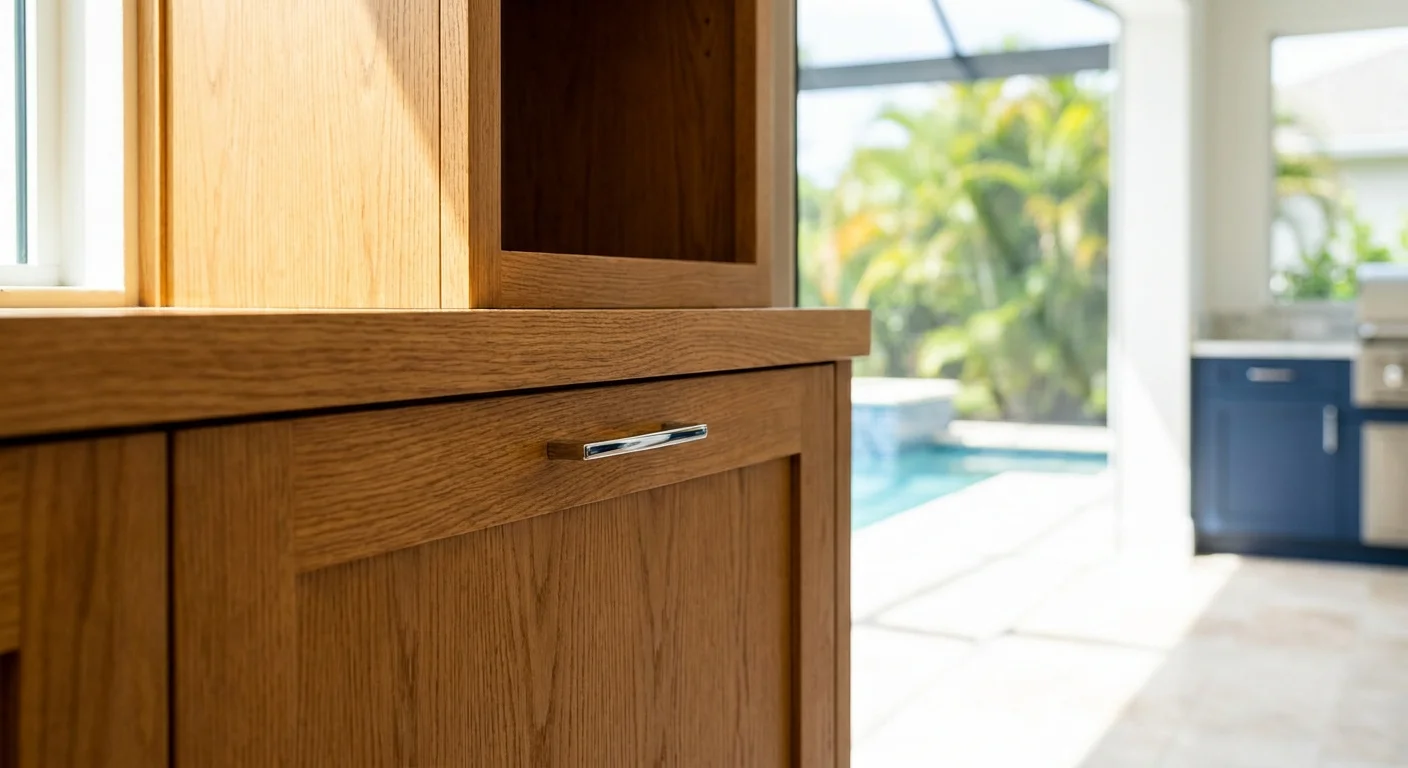
Smart home security systems in Pelican Bay are no longer just cameras on a soffit and a keypad by the garage door. In the last three to five years, luxury residences along Gulf Park Drive and within communities like Bay Colony have shifted to discreet, design-forward systems that think for the homeowner, learn seasonal patterns, and tie into lighting, shading, elevators, and even private garages.
For Naples owners who split time between Pelican Bay and places like Chicago or New York, these changes have real consequences. Better technology is improving peace of mind, insurance conversations, day-to-day convenience, and even resale expectations in one of Collier County's most design-conscious coastal addresses.
From visible hardware to invisible, integrated protection
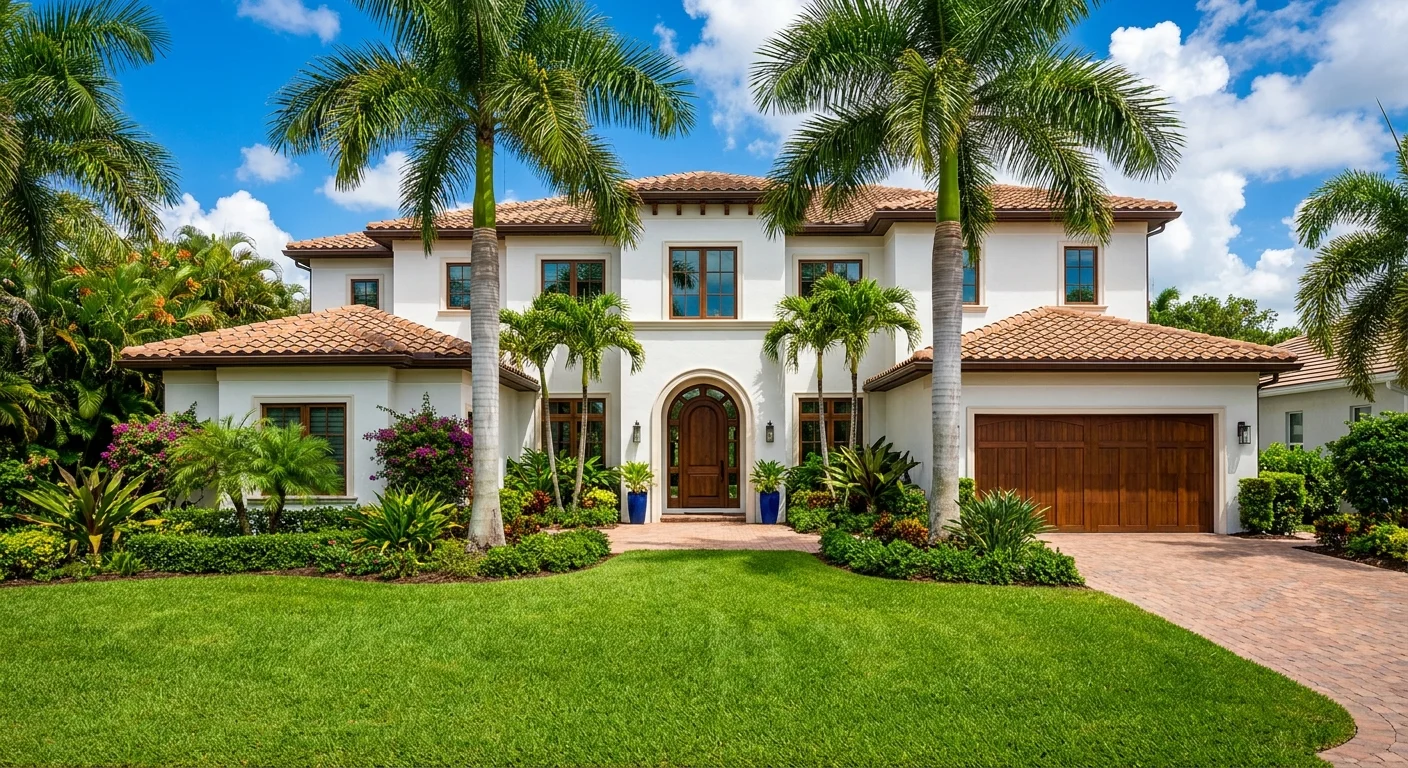
Older Pelican Bay condos and villas typically rely on a patchwork of door contacts, a basic alarm panel, and maybe a few bolt-on cameras at the entry and lanai. The evolution now is toward a single, layered security ecosystem that disappears into the architecture.
According to Architectural Digest's overview of modern security systems, today's smart platforms integrate sensors, cameras, locks, lighting, and shading into one cohesive experience. That description matches what we now see in new Pelican Bay builds and deep remodels, especially where XL Homes of SWFL is coordinating early with low-voltage and security integrators.
In practice, this evolution shows up in several ways:
- Low-profile cameras recessed into soffits or column details instead of surface-mounted domes
- Door and window sensors concealed in the frame of lift-slide glass instead of visible on the sash
- Keypads replaced with touchscreens or app-based control, often integrated with whole-home automation
- Alarm scenes that coordinate with lighting, shades, and audio rather than simple siren-only responses
Architectural Digest also notes that current smart systems lean on AI-powered facial recognition and smart zone detection, both of which are now entering the Pelican Bay market at the high end. That technology matters in a building where a service corridor, private elevator lobby, and beach access door may all sit within a single camera frame.
AI is rewriting what "secure" means in a high-rise coastal setting
The most meaningful shift in Pelican Bay security is not just better cameras, it is how those cameras and sensors interpret what they see. AI analytics are now solving three specific problems that used to frustrate owners in coastal SWFL buildings.
1. Smarter detection in a world of motion, water, and wildlife
Traditional motion detection struggles near the Gulf. Palm fronds move, storm systems roll in, osprey and gulls cross the frame constantly. In a tower like St. Raphael or Cap Ferrat, balcony cameras face both the Gulf and common areas, so false alerts used to be a daily event.
AI-based "smart zone" tools address that. The system can watch the same field of view and treat the horizon, dune line, and pool deck very differently. Owners can set rules like:
- "Alert only for humans approaching from the elevator lobby or garage."
- "Ignore movement beyond the property line toward the beach boardwalk."
- "Record any motion on the lanai but only push a notification if someone walks toward the sliders after 10 p.m."
This zoning is especially useful in villas along Oakmont Parkway or Interlachen where front courtyards open to walking paths. AI helps distinguish a neighbor walking a dog from someone approaching the front door and loitering.
2. Facial recognition for staff, vendors, and guests
Many Pelican Bay residents rely on house managers, cleaning staff, dog walkers, and contractors while they are out of state. Historically, that meant a dozen fobs or garage codes circulating between people.
AI facial recognition, a feature Architectural Digest highlights as a key part of modern systems, is changing how that works. Instead of depending entirely on access codes, the system can recognize approved faces and log their entry, then flag unknown individuals who attempt to follow them in.
Used thoughtfully and with consent, this offers several advantages:
- Cleaner audit trail for who actually entered the residence and at what time
- Less risk from misplaced or copied fobs and handwritten codes
- Ability to receive an alert if an unfamiliar face appears repeatedly in a private elevator lobby or service hall
Pro Tip: If you want facial recognition in a Pelican Bay condo, involve your association early. Many boards expect to review how video is stored, how long it is retained, and who can access it.
3. Systems that learn seasonal living patterns
Most Pelican Bay units experience a rhythm: seasonal arrivals, long summer absences, and short off-season visits. AI-driven systems now learn that pattern instead of staying in a static "home" or "away" mode.
In practical terms, that means:
- The system recognizes that off-season, any door opening after midnight warrants an urgent alert
- During season, it will not treat the same pattern as suspicious if the owners frequently host late dinners
- If a sensor shows internal movement for several days during a supposed vacancy, the owner can get a "pattern anomaly" alert
For an owner who spends June through September in the Midwest, this adaptation matters more than another visible camera. It reduces noise and focuses attention on genuinely unusual activity in a 10th-floor unit or a Bay Colony estate home.
Design-forward security that matches Pelican Bay interiors
Pelican Bay buyers expect clean lines and quiet details, whether in a full-floor residence at Mystique or a renovated Breakwater coach home. Exposed conduit or mismatched plastic keypads simply do not fit the design language of these interiors.
Architectural Digest points out that contemporary systems are becoming more discreet and design-friendly. We see that reflected in three design shifts that consistently show up in our projects and in top-tier integrations across Naples.
Low-visibility hardware choices
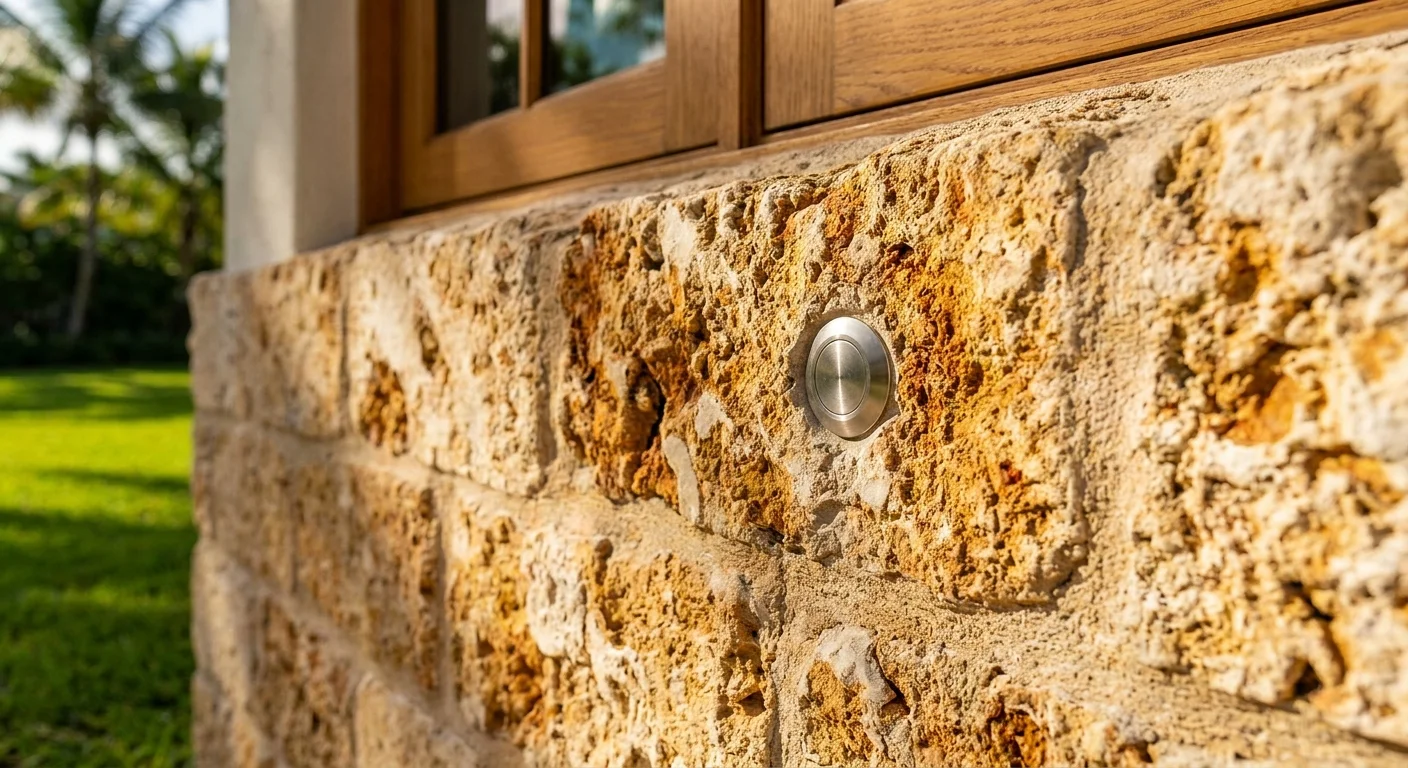
On new construction and full gut remodels, the design team and security contractor now coordinate from day one. That allows for:
- Structured wiring hidden in walls and slabs before finishes go in
- Cameras recessed into soffits, stone pilasters, or ceiling pockets at elevator lobbies
- Keypads aligned with trim lines and millwork reveals rather than scattered randomly on walls
- Magnetic contacts built into the frames of large-format sliders and pivot doors
In a kitchen redesign, for example, we already advise owners about how cabinetry affects circulation and sightlines in 2026 luxury kitchen cabinet layouts in Naples. The same principle applies to security hardware. Thoughtful early placement yields a cleaner finish and more effective coverage.
Security scenes that respect lighting design
Pelican Bay units often rely on layered lighting to compensate for deep floorplates: cove lighting, art spots, and step lights along corridors. Instead of a single flood of "all on" lights during an alarm, newer systems trigger curated scenes.
For example:
- If a door opens after hours in a high-rise unit, pathway lights from entry to kitchen can come on at 30 percent, avoiding harsh glare while giving cameras enough light.
- If a panic scenario is triggered, exterior lighting along a villa's courtyard and driveway can ramp to full output to support video quality and deter entry.
- When the system arms for "vacation," select interior lights can follow a natural, learned pattern to mimic occupancy rather than a basic timer.
Those scenes tie directly into comfort and design planning, in the same way we coordinate exterior lighting scenes for clients who want their outdoor rooms to rival the interiors, as discussed in our guide to luxury outdoor living spaces in Naples.
Shades and glass as part of the security envelope
Floor to ceiling glass is a hallmark of the Gulf-facing stacks in Pelican Bay. It is also a vulnerability if treated as a simple view wall. Modern systems now connect glass break sensors with motorized shades and even electrochromic glass in a few flagship units.
In practice, that might mean:
- At night, perimeter shades drop automatically when the system arms, reducing visibility into the unit from shared decks or neighboring towers
- If a glass break is detected on a lanai slider, interior hallway lights come on and installed cameras pivot to a pre-set view of that opening
- Storm scenes can pull shades and trigger impact glass sensors into a heightened monitoring mode ahead of landfall, working in concert with the same hurricane-resilient thinking that drives impact window decisions in Naples homes
In Pelican Bay today, the most effective security is the one guests barely notice. It reads as good lighting, clean ceilings, and doors that simply work the way you expect.
How Pelican Bay high-rises are handling shared security and private control
One complexity unique to Pelican Bay is the coexistence of master association security, individual building protocols, and private unit systems. A resident at The Stratford interacts with three overlapping layers of control every day.
That creates specific questions when upgrading to modern smart home security.
Coordinating with association and building systems
Most towers already control:
- Lobby and perimeter cameras
- Garage access and gate arms
- Elevator controls for private and semi-private lobbies
- Emergency stairwell and fire door alarms
When a resident adds a high-end system in their unit, integrators now aim for "respectful independence." The private system should never override life-safety functions or conflict with association policies, but it can listen to key events.
Examples include:
- Elevator arrival sensors in a private lobby that trigger unit entry lighting and a camera scene
- Notification when a garage door assigned to that unit opens, which can start HVAC and lighting scenes inside
- Coordination with fire alarm systems so security doors unlock automatically during an emergency
To keep projects smooth, we advise treating security integration similar to permitting in complex luxury work. The same early-planning mindset that helps owners with permits for Naples luxury homes also applies to association approvals and IT policies inside Pelican Bay buildings.
What can and cannot be recorded in common areas
Florida law and association rules both shape where residents can place cameras. In general:
- Owners can record video in private units and inside any limited common elements under their control, such as assigned garages or cabanas
- Audio recording is more sensitive and may be restricted in any area where another person has a reasonable expectation of privacy
- Common hallways, elevator interiors, and lobbies are usually under association control, and additional cameras there may require approval
This is one reason many unit upgrades focus on improving views within the residence and across any private lanais or terraces, while leaving tower-level security to the building's own cameras and access systems.
Single-family estate homes in Bay Colony and the new perimeter thinking
At the estate level, especially in Bay Colony Shores and Barrington, the evolution looks slightly different. Instead of working around tower constraints, we think in terms of layered perimeters, from the property line in.
Layer 1: Street and vehicular approach
Along streets like Bay Colony Drive, owners are installing:
- License plate-reading cameras at drive entries
- Vehicle detection integrated with gate controls and entry lighting
- Virtual tripwires that send an alert if a vehicle stops or reverses unusually near the driveway at night
Some of these concepts mirror the ideas in Architectural Digest's discussion of advanced sensor arrays and coverage zones in high-end estates. The difference in Pelican Bay is tighter lot lines and HOA design standards that keep hardware visually quiet.
Layer 2: Courtyards, side yards, and golf-facing rears
Many Bay Colony lots back to golf, lakes, or preserve. That creates long rear exposures. Rather than a solid wall of cameras, AI-supported systems now rely on:
- Thermal or low-light cameras watching the rear yard from strategic corners
- Smart detection that flags human-scale movement, not every raccoon or wading bird
- Integration with pool and lanai lighting so any detected presence is lit clearly without disturbing neighbors more than necessary
Because these rear yards often blend into dramatic outdoor rooms and fire features, the best security design respects the aesthetic ideas you see in top-tier outdoor living projects across Naples. The same intentionality summarized in our article on luxury outdoor spaces in Naples applies to camera placement, lighting color, and fixture selection.
Layer 3: Doors, windows, and safe zones
Inside, smart locks and discreet sensors are standard now. The evolution is in how quickly owners can convert part of the home into a safe zone if something feels off.
Current options include:
- Primary suite corridors with a single hidden pocket door that can lock automatically during a panic event
- Closets with concealed reinforced doors, pre-wired for communications and separate HVAC control
- Safe-room features integrated subtly into home offices, avoiding overt "bunker" aesthetics
For owners interested in deeper protection, the overview of safe-room planning in Architectural Digest's security explainer is a useful starting point. In Pelican Bay, the priority is to integrate those strategies without compromising coastal architecture or view corridors.
Practical questions Pelican Bay owners should ask before upgrading
If you are considering a security upgrade in a Pelican Bay residence, start with strategy rather than product catalogs. The most polished installations always begin with clear answers to a few practical questions.
1. How often are you truly here, and who uses the residence when you are gone?
Seasonal residents need a system that is heavily biased toward remote management and anomaly alerts. Full-time residents with on-site staff may prioritize access control and better internal visibility instead.
Make a list of everyone who may enter the residence: family, housekeepers, vendors, property managers. That list will shape how you use facial recognition, app-based access, and notification rules.
2. Are you planning other renovations that should tie in now?
Security is far easier to do right when tied into a larger remodel or new build. If you are considering a whole-unit renovation or reworking the kitchen and primary suite, you can run new wire, add recessed camera pockets, and coordinate millwork around in-wall touchscreens.
Our data from Naples remodels shows that owners often underestimate how much integrating technology can affect scope and cost. If you are already reviewing budgets, it is wise to consider the security layer alongside other major changes, similar to the thinking in our breakdown of whole-home remodel costs in Naples.
3. What are your association rules and building infrastructure limitations?
Before committing to any specific platform, clarify:
- Whether your building allows new wiring in common walls or fire-rated assemblies
- How internet and backup power are handled in the tower during storms and outages
- Approved locations, if any, for additional cameras outside the unit door or in assigned garages
Those answers may determine whether you rely more on wired hardware, wireless devices, or a hybrid model, and whether you need cellular backup for professional monitoring.
Where Pelican Bay security tech is heading next
Looking at integration projects we see across Naples and national reporting from outlets like Architectural Digest, the trajectory for Pelican Bay security over the next five years is clear.
- More automation, less manual arming: Systems will rely on geofencing, occupancy sensing, and schedules, arming and disarming based on your actual patterns, not key fobs and codes alone.
- Tighter integration with energy and comfort systems: Security events will shape how HVAC, shades, and lighting run, especially for seasonal owners watching utility bills in vacant months.
- Cleaner aesthetics: As builders and integrators collaborate from schematic design phases, visible hardware will shrink and align with the same minimalist expectations that already guide millwork and fixtures.
- More granular access control: Expect more use of "digital keys" for guests, vendors, and even short-term family visitors, each with their own schedules and permissions.
Pro Tip: When you interview integrators, ask to see a complete Pelican Bay or Park Shore project, not just product brochures. You want to understand how the system feels to live with, not only how it looks on paper.
For Pelican Bay residents, the real measure of a next-generation smart home security system is simple. Your residence should feel more relaxed and intuitive, whether you are walking in from the boardwalk at sunset or checking cameras from an airport gate in January. With thoughtful planning and the right team, security can support that lifestyle quietly in the background instead of calling attention to itself at every door and ceiling corner.
XL Homes of SWFL is a family-owned custom home builder in Naples, Florida. Explore our luxury home portfolio, learn about our remodeling services, or schedule a free consultation.